Joint pain
Joint pain is one of the most common problems of the musculoskeletal system. The human body has many joints of different sizes that connect bony structures, help with movement and withstand large loads...
- Topic
- Joints and tendons
- Reading time
- 15 minutes
Joint pain is one of the most common problems of the musculoskeletal system. In the human body, there are many joints of different sizes that connect bony structures, help with movement and withstand large loads. Joint pain is a fairly common complaint experienced by people of all ages. The question is what causes joint pain, what causes it, and what are the most effective ways to relieve symptoms?
Causes of joint pain
The causes of joint pain can be very diverse. The most common factors that can affect joint pain are:
Injuries: Joint pain can be caused by injuries such as bruises, sprains and fractures.
Arthritis (joint inflammation): This is a fairly common cause of joint pain. Arthritis can affect a single joint or a group of joints. Arthritis involving one joint is usually caused by overloading or spraining that joint. Meanwhile, arthritis involving a group of joints is more often of rheumatic origin. It is an autoimmune disease that can occur at any age and is diagnosed based on symptoms, so it is important to have regular health checkups and laboratory tests.
Arthrosis of the joints - degenerative changes in the joint.
Tendinitis: Inflammation of the tendons can also cause joint pain.
Bursitis: Inflammation of the bursa (lubricated sac of the joint), can be caused by frequent repetitive motion that injures the sac.
Overuse: These are repetitive movements or excessive loads on the joint, e.g. overweight, so it can cause pain and inflammation in the joint.
Infections: Certain infections, such as Lyme disease, can cause joint pain.
Autoimmune disorders: Conditions like lupus and others can cause joint pain.
Hormonal changes: Changes in hormone levels, such as during pregnancy or menopause, can also cause joint pain.
Inflammation of the joints - arthritis
Inflammation of the joints, also known as arthritis. Arthritis is a broad term used to describe joint inflammation and pain. Often, even in scientific literature, arthritis is confused with arthrosis. Arthrosis is a degenerative joint disease that occurs with age. Meanwhile, arthritis is an inflammation of the joints that causes joint pain, which can be without structural changes (degeneration) of the joint. Arthritis can affect one or more joints in the body. Although there are many types of arthritis, the most common types of arthritis are acute osteoarthritis, rheumatoid arthritis, and gout. Treatment for arthritis will vary greatly depending on the type and can be treated in different ways such as; may include medication, physical therapy, lifestyle changes, and even surgery in severe cases. Acute arthritis usually occurs as a result of a bruise or other injury to the joint, or due to extreme overuse. In this case, short-term treatment usually includes anti-inflammatory drugs, physical agents (cold), weight reduction (rest), and gentle physical therapy. Meanwhile, in the long term, the goal is to reduce muscle imbalances and strengthen muscle function in order to reduce the load on the joints. Rheumatoid arthritis is an autoimmune disorder that causes the body's immune system to attack the joints, causing inflammation and pain. In this case, the treatment plan is led by a rheumatologist, who usually prescribes medical treatment, and physiotherapy is used as an auxiliary tool to reduce pain and improve the functional state of the joints.
Arthritis of the joints - a degenerative disease or a natural aging process?
Many people despair when they hear the diagnosis of arthrosis of the joints, thinking that the joint is worn out and the pain will accompany them for the rest of their lives. However, osteoarthritis, or the thinning of articular cartilage and the joint space, is a natural aging process that happens to absolutely everyone. Large-scale scientific radiological studies show that arthrosis very often does not correlate with symptoms felt by patients, i.e. a large proportion of people with osteoarthritis do not experience any symptoms of joint pain, while a large proportion of people without osteoarthritis do.
So what causes pain? Of course, very advanced - grade III or IV arthrosis will probably cause symptoms. However, type I and II arthrosis often do not cause symptoms, it is a natural change in the aging of the joints. Articular cartilage does not have nerves (it is not innervated), so it cannot cause pain by itself. Research shows that, for example, only about 20% of patients with arthrosis of the hip joint feel pain. Meanwhile, the pain is caused by congestion of the soft tissues around the joint or inflammation of the joint capsule (synovitis).
The most interesting thing is that the progression of arthrosis of the joints in the early stages is most influenced by metabolic disorders caused by improper nutrition, stress, poor quality of sleep and too little physical activity. Only as arthrosis progresses, joint overload becomes a more important factor that can cause symptoms. In other words, with an optimal metabolism, because even if the joints are very overloaded, they will probably not cause very serious symptoms. However, in the case of chronic impaired metabolism, arthrosis may progress and in the course of time the joints will probably no longer tolerate physical exertion.
Should physical exertion be avoided in case of arthrosis? By no means. Since articular cartilage has neither blood vessels nor nerves, it is nourished only by synovial fluid. Compression and decompression of the cartilage is necessary in order to promote the production of joint fluid, the assimilation of nutrients and the regeneration of cartilage cells. So, after hearing the diagnosis of joint arthrosis, you should not stop moving in any way. Lack of physical activity is the biggest cause of cartilage thinning. Of course, in the case of a high degree of arthrosis, physical activity must be very dosed, at least while the cartilage is sensitive to loads, but in no way limiting it completely. Meanwhile, in the case of arthrosis, long static positions - sitting, standing or kneeling - should be avoided, because during them the cartilage is not supplied with nutrients and only one part of the cartilage is pressed.
Complex treatment is recommended to manage and relieve the symptoms of osteoarthritis, including:
In very acute cases (along with arthritis) - steroid injections into the joint;
Dosed exercise - physical exercises and daily activities;
Manual therapy in the short term to reduce pain, relax overstretched soft tissues and better activate muscles;
Adjusting lifestyle factors - nutrition, stress management, improving sleep quality, limiting bad habits;
Use of food supplements - research shows that in the early stages of arthrosis, food supplements of glucosamic glucans and chondroitin can have a positive effect on joint health.
Joint pain at night
Joint pain at night is usually associated with inflammatory processes, it can be caused by various inflammatory factors listed above - bursitis, tendinitis, arthritis, hormonal changes, diseases and others. Although joint pain at night indicates an existing joint problem, the quality and conditions of sleep itself can provoke the pain a little more. Certain sleeping positions can affect the occurrence of joint pain at night, that is, during sleep, certain positions and positions can put pressure on the joints and intensify the pain, especially if a person is overweight, has suffered an injury or has joint diseases. Also, joint pain can sometimes worsen at night due to reduced physical activity and increased joint stiffness. To reduce joint pain at night, it is important to maintain an optimal body weight, exercise regularly and avoid activities that put too much stress on the joints. Also, seeing a physical therapist, using heat or cold therapy, taking over-the-counter pain relievers, and eating a healthy and balanced diet can reduce joint pain at night and improve sleep quality. It is also recommended that during sleep, try to choose positions that least provoke joint pain. For example: when feeling pain in the hips and knees and lying on the side, choose a cushion or roller between the legs. In this way, we will maintain the correct position of the pelvis and reduce the direct pressure on these joints. It is also very important to choose the right mattress, a pillow that is not too big, in order to maintain the physiological curves of the neck and back and additionally not to provoke joint pain at night. If pain persists or gradually worsens, it is important to consult a healthcare professional for further evaluation and treatment.
Joint pain during pregnancy
Joint pain during pregnancy is a fairly common complaint among pregnant women. This can be caused by a variety of factors, including hormonal changes, weight gain, and changes in posture and gait. During pregnancy, joint pain is usually felt in the hips, knees and lower back. Hormonal changes during pregnancy cause the ligaments and joints to become more relaxed, due to the overproduction of relaxin, which can lead to increased stress on the joints to keep the body stable. This can cause pain and discomfort, especially in the main weight-bearing joints, that is, in the lower back - cruciate hip, hip, knee, ankle. Weight gain during pregnancy can also put extra stress and strain on the joints, which again can lead to pain and discomfort. As the fetus grows in the mother's belly, the center of gravity shifts forward, which can cause changes in posture and gait. All these reasons have a direct impact on joint pain during pregnancy. To relieve joint pain during pregnancy, it is important to maintain the recommended weight for a pregnant woman. Regular physical activity, a healthy and balanced diet can help with this. Also, maintaining a normal weight and physical activity contribute to maintaining proper posture. Low-impact exercise such as swimming, walking, or working out with a physical therapist can help strengthen your muscles, which will help reduce joint pain during pregnancy. In addition, to reduce joint pain during pregnancy, it is recommended to wear very comfortable shoes, avoid high heels or uncomfortable shoes that are too small. If the joint pain is particularly bothersome and severe for an expectant woman, it is important to consult a specialist to assess the condition.
Joint pain after COVID-1 9
Although the pandemic seems to be over, joint pain is one of the most common symptoms reported by people who have recovered from the COVID-19 infection. According to a study published in the journal Annals of the Rheumatic Diseases, joint pain after COVID occurred in 15% of study participants who had recovered from COVID-19 infection. The exact cause of joint pain after COVID-19 is not yet fully understood. However, it is believed that the virus can cause an inflammatory response in the body, resulting in joint pain, stiffness, activation of inflammatory processes in the joints, and other symptoms. In some cases, joint pain can also be a symptom of prolonged COVID-19, as research publications mention it as one of the most common and persistent symptoms even after recovery. Also, looking at the pandemic period, it is believed that lack of physical activity may have contributed to joint pain and the higher number of people experiencing it. During the COVID-19 pandemic, people could not attend their favorite classes and activities, they had to work from home. Access to specialists has become difficult or impossible. The researchers believe that all this also had a significant impact on the occurrence of joint pain, as physical exertion in particular decreased. Regarding the infection and treatment of COVID-19, it is believed that joint pain can also be a side effect of some treatments for COVID-19, such as steroids. If you experience joint pain after recovering from COVID-19, it is important to consult a healthcare professional. They can assess your symptoms and recommend individualized treatment options, such as pain relievers, physical therapy, or other treatments.
Migrating joint pain
Migrating joint pain is pain that moves from one joint to another over time. It can be a symptom of some diseases, including rheumatic diseases, Lyme disease or lupus.
Lyme disease: This is a tick-borne bacterial infection that can cause migrating joint pains, as well as fever, fatigue, and the like.
Rheumatic fever: This is a complication of a streptococcal infection that can cause migrating joint pains as well as fever, rash, and other symptoms.
Systemic lupus erythematosus (SLE): This is an autoimmune disease that causes joint pain as well as other symptoms such as fatigue, fever, and skin rashes. Joint pain in systemic lupus erythematosus (SLE) may be migratory.
Reactive arthritis: This is a type of arthritis that can occur after an infection in another part of the body, such as the urinary tract or intestines. This can cause joint pain that moves from one joint to another.
Psoriatic arthritis: This is a type of arthritis that can occur in people with psoriasis, a skin disease. This can cause joint pain that moves from one joint to another.
So, there are a number of diseases that can cause migrating joint pain. If you notice migrating joint pain, it is important to consult a doctor immediately so that he can assess your condition, determine the root cause of the pain, and prepare a treatment plan to help relieve the symptoms.
What helps with joint pain:
When people complain of joint pain, they look for ways to relieve it. There are several ways to reduce and relieve joint pain:
Physiotherapy. Regular exercise and physical activity can help relieve joint pain. With proper exercise, working with a physical therapist, muscles, tendons, and ligaments can be strengthened. And this will help to reduce the pressure and load on the joints, as well as improve their biomechanics and reduce the risk of injuries and arthrosis. However, an individual plan and assessment of the condition is very important. A specialist - a physiotherapist, individually assesses the condition, tests and analyzes the situation for the particular person visited. Therefore, exercises are selected individually, taking into account the current condition, expectations and other factors. By choosing the right exercises and controlling the correct performance, it is possible to reduce and sometimes even eliminate the felt symptoms, improve the general well-being and mood. Physiotherapy can also be done in water. In the water, the perceived weight of the body decreases, which makes it easier to perform exercises and the joints are not so tired, their compression is reduced. This not only makes the exercises easier, but also strengthens the body. A physiotherapist can also use other methods that are not necessarily related to active movement. For example, manual therapy includes hands-on techniques such as joint mobilization or manipulation. These techniques help reduce pain and improve joint mobility.
Heat and cold therapy ("contrast baths or contrast showers"): Health care professionals and folk medicine also offer other remedies that can help relieve joint pain. For example, the painful area can be heated and cooled. Perhaps the most commonly mentioned heat and cold therapy is contrast hydrotherapy or "contrast shower". Heat and cold can help reduce inflammation and reduce pain. It notes that heat and cold therapy can help reduce fatigue. Analyzing the scientific literature and ongoing research, it was found that athletes who complain of joint pain after physical exertion, contrast hydrotherapy helped to reduce fatigue and pain. One study found that contrasting hot and cold baths helped team sports players recover from fatigue 24-48 hours after a game. Also, the "contrast shower" reduces swelling, which helps with joint pain. When a painful joint is bruised or has other pathology, inflammatory reactions occur, which cause pain and swelling. Hydrotherapy stimulates the expansion and narrowing of blood vessels, which allows fluid to move, which reduces swelling.
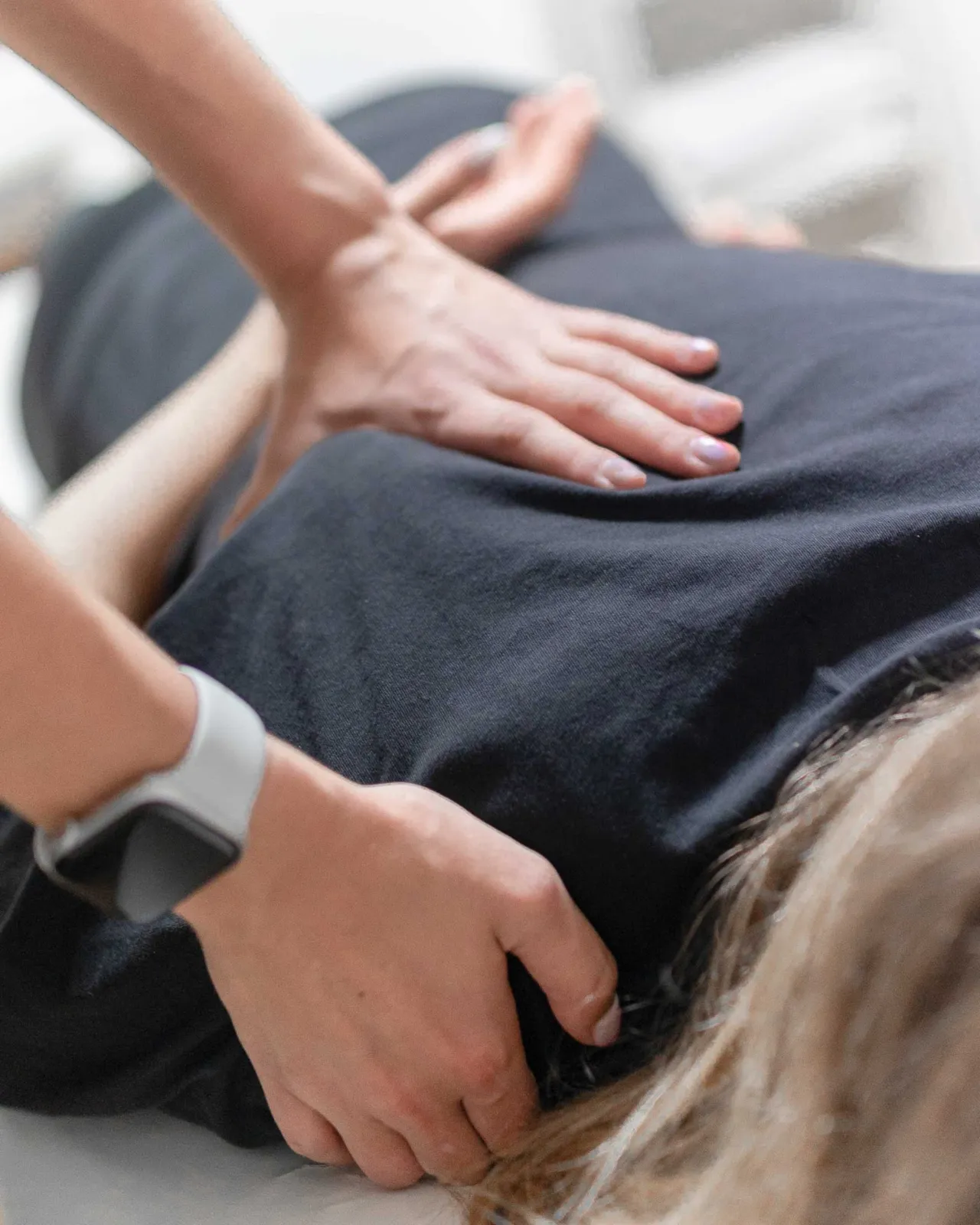
Massage: Massaging the affected area can help improve circulation and reduce joint stiffness. Massage helps relieve muscle tension around the joint, which can help reduce pressure on the joint and reduce pain. Blood circulation is improved during the massage. Therefore, faster circulation and blood flow to the joint can help reduce inflammation and promote healing. Also, during the massage, the amplitude of movements is increased, thus facilitating movement through the joint. Another advantage of massage is that it can stimulate the release of endorphins, which are natural pain relievers produced by the body. In addition to the already mentioned good qualities of massage, another one is stress reduction. Massage can help reduce stress and induce relaxation, helping to reduce muscle tension and pain. However, it is important to speak with a doctor, physical therapist, or qualified massage therapist when choosing a massage, especially if the patient has joint pain or medical conditions that affect the joints.
Medication: Although medication is not a long-term solution to joint pain, it is a common technique to quickly relieve the problem. Over-the-counter pain relievers such as ibuprofen or others are often used to relieve pain quickly and a person can live without any pain for a certain period of time. It is important to mention that you should consult a doctor or pharmacist about the use of medicines. However, medication is not recommended when looking for a long-term solution.
Weight reduction: Being overweight puts more stress on joints, which can lead to pain. Losing weight can help reduce pressure and stress on the joints, especially the lower limbs (knees, hips, ankles) and thus contribute to better health.
Dietary changes: A healthy diet rich in anti-inflammatory foods such as fruits, vegetables and omega-3 fatty acids can help reduce joint pain.
Improving sleep quality and managing stress : Sleep quality and chronic stress are factors that have a very strong effect on our metabolism. As we mentioned in the paragraph about joint arthrosis, metabolic disorders are one of the main reasons for the progression and pain of arthrosis. Therefore, although it may not appear at first glance, ensuring the quality of sleep and managing stress can also be very effective in reducing joint pain.
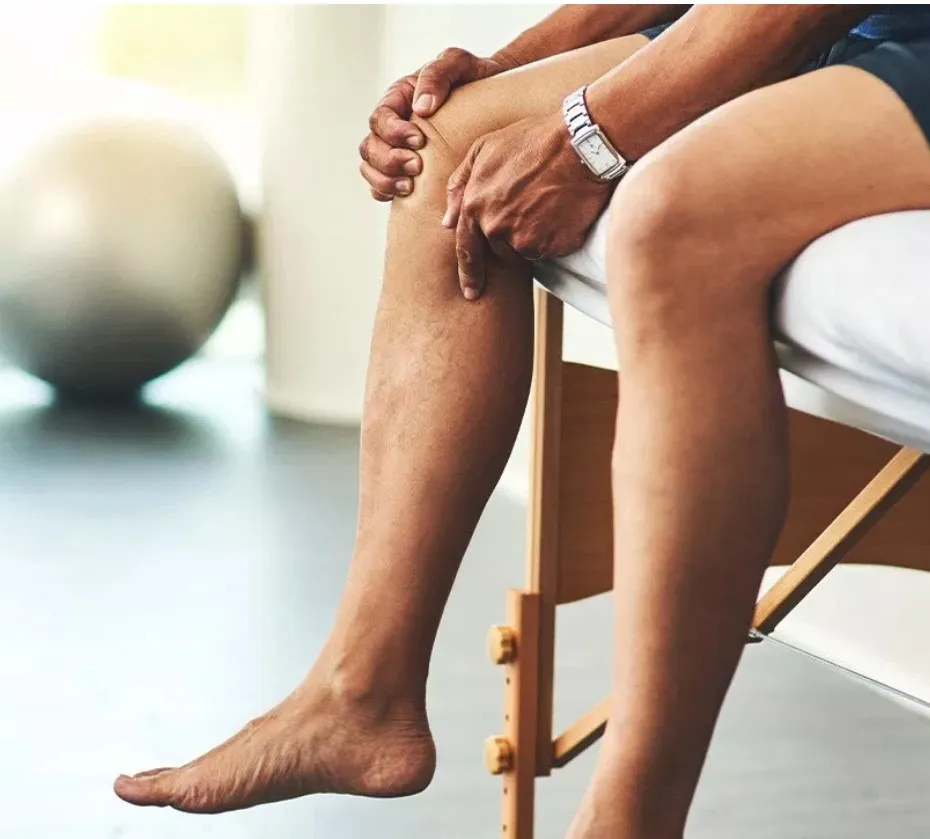 Joint pain and pathologiesA joint is a complex connection between two or more bones that helps us perform various movements. Each joint consists of cartilage that covers the ends of the bones and reduces the impact force directed at the joint. At the ends of the bone...Read
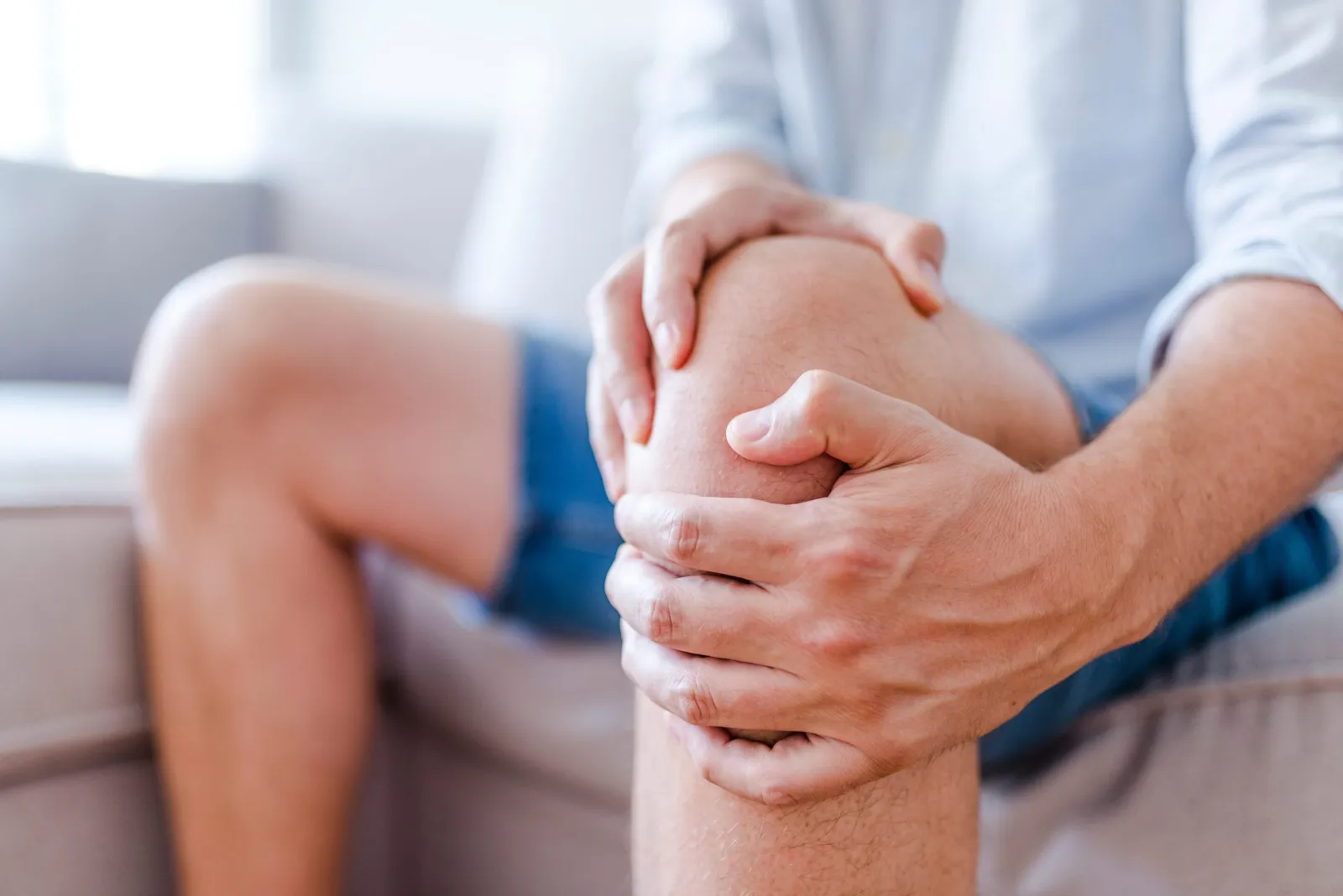 Knee joint painPain in the leg joints (pain in the hip joints, foot joints, knee joints) is a common phenomenon that is faced by more and more people, it is experienced by young, middle-aged and elderly people alike. This happens...Read
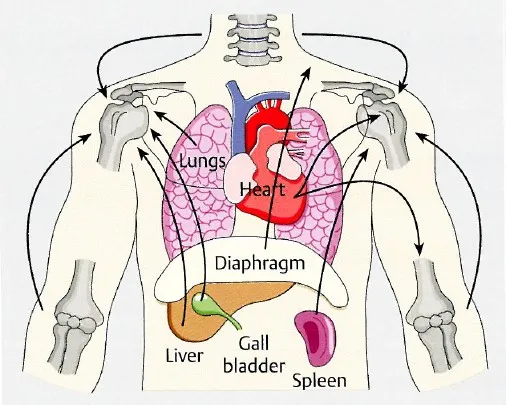 Pain in the joints of the handsPain in the joints of the hands affects people of all ages and often has a strong negative impact on the quality of life. Pain in the joints of the hands can limit both the ability to do physical work - lifting heavy objects, carrying...Read
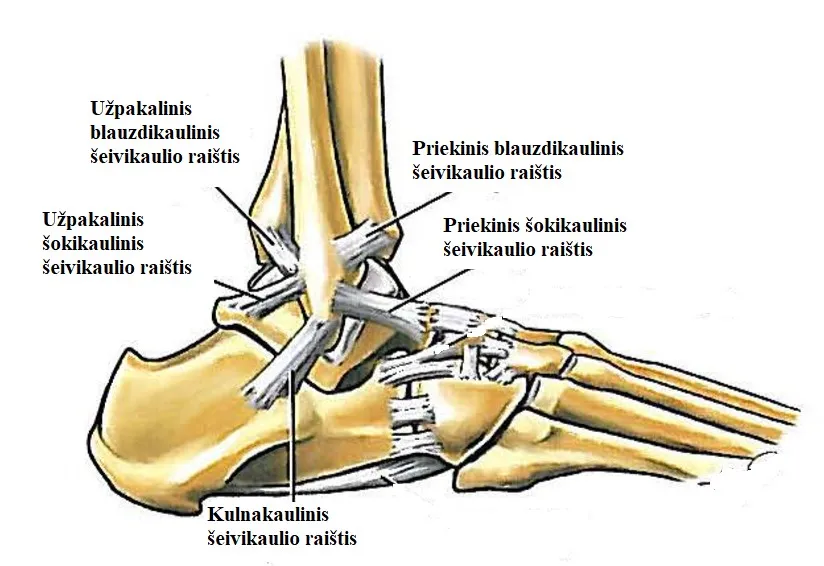 Instability of the ankle jointAnkle instability is joint laxity due to damaged/altered joint structures or inefficient muscle function. Ankle instability due to inefficient muscle work is called functional, while due to...Read
 Instability of the shoulder jointShoulder joint instability is much more common than other limb joint instability. This can largely be explained by the anatomical peculiarities of the shoulder joint. The shoulder, due to its structure, can easily be...Read
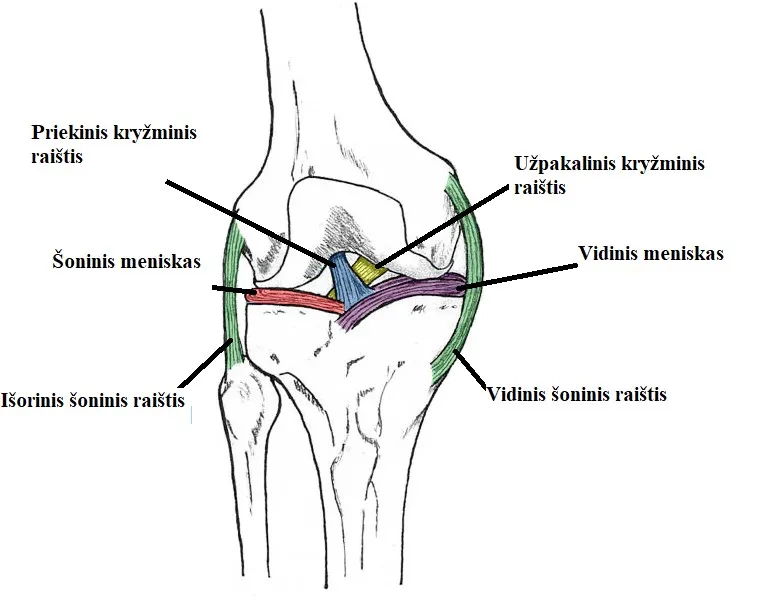 Instability of the knee jointInstability of the knee joint occurs when the ligaments of the joint (lateral or cruciate) are damaged, and is also reduced if the menisci are damaged or removed. Damage to the ligaments of the knee joint can occur...Read