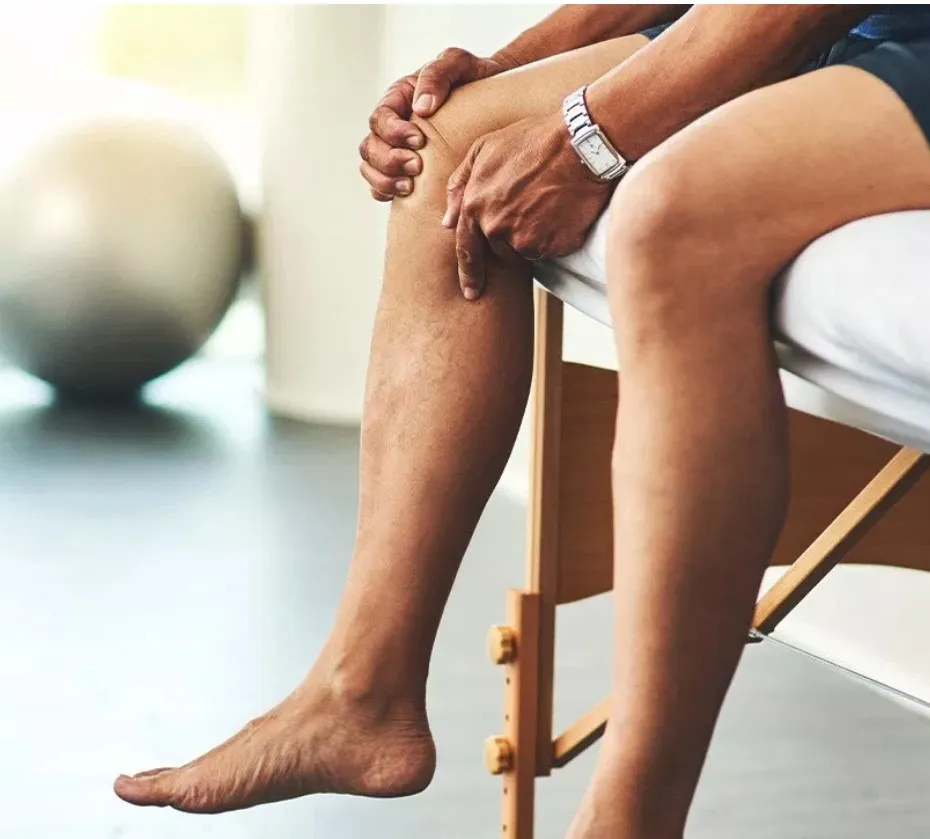
Joint pain and pathologies
A joint is a complex connection between two or more bones that helps us perform various movements. Each joint consists of cartilage that covers the ends of the bones and reduces the impact force directed at the joint. At the ends of the bone...
- Topic
- Joints and tendons
- Reading time
- 4 minutes
A joint is a complex connection between two or more bones that helps us perform various movements. Each joint consists of cartilage that covers the ends of the bones and reduces the impact force directed at the joint. The joint capsule located at the ends of the bones produces and fills the joint cavity with grease, which lubricates the surface of the joint and allows for movement. Muscles also contribute to this, working in opposing pairs to help bend or extend the joint and also protect the joint from damage. During a person's life, the joints withstand an extremely high load. The joints of people performing heavy physical work and exercising intensively experience the greatest load.
Joint pains - it can be said that this is a problem of getting younger. Although it mainly occurs in older people, it is more and more common in young people. Most often, joint pain is caused by various joint dysfunctions and pathologies. This is pain in the joint itself due to degenerative changes, articular lip, capsule damage, joint instability. Joint dysfunctions are joint pain, which is basically caused by a certain muscle imbalance. Joint pathologies are such joint pain caused by structural changes in the bones, infections, tumors.
List of joint dysfunctions and pathologies
Joint pains
Joint pain Shoulder pain Elbow pain Ankle pain Hip pain Knee pain Ankle pain
Joint instability
Shoulder instability Elbow instability Wrist instability Hip instability Knee instability Ankle instability
Joint capsule and lip pathologies
Rupture of joint capsule Inflammation of joint capsule - synovitis Rupture of joint lip Hernia of joint capsule (synovial) - ganglion Frozen shoulder - Adhesive capsulitis
Degeneration and inflammation of articular cartilage
Degeneration of articular cartilage - arthrosis Joint inflammation - arthritis Runner's knee - Chondromalacia of the patella of the knee joint
Tightness syndromes
Shoulder joint tightness Hip joint (femoroacetabular) tightness
Decrease or limitation of range of motion
Temporomandibular joint (TMJ) pain and dysfunction
The main causes of joint dysfunctions and pathologies
- Autoimmune reaction. For example, the occurrence of hip joint pain (especially inflammation - osteoarthritis) can be caused by the reaction of the immune system to the connective tissue.
- Diseases of the metabolic system. For example Gout (a disease that is manifested by a greatly increased accumulation of uric acid levels in various organs).
- Infectious diseases.
- Tumors.
- Degenerative changes (decomposition of cartilage, decrease in joint fluid).
- Excessive physical exertion.
- Inflammation.
- A passive lifestyle.
- Muscle imbalance (some muscles are strong, others are weak, some muscles are shortened, others are stretched).
- Improper nutrition (protein/fat deficit).
- Nutritional changes (bold diet, lack of protein, fat).
- Overweight (increased load on the joint)
- Deficiency (deficiency) of vitamins and minerals in the body.
- Injuries, dislocations, sprains, dips, sprains...
Joint pain, swelling, movement disorders can be provoked by many reasons, and untreated or improperly treated joint damage can progress and cause various complications, causing chronic pain, so it is very important to consult professionals without delay.
Treatment of joint dysfunctions and pathologies
The treatment depends on the intensity of each person's symptoms, the level of damage, the condition, and if it is an injury, it is very important how long ago it happened... For example, if there was a sports injury - at the very beginning, while there is an acute phase, the so-called RICE method is applied, which consists of such treatment methods as rest, freezing, compression (pressure) and keeping the limb in an elevated position, in order to reduce pain, swelling and speed up healing. And usually only a few days later, after re-examining the patient, physiotherapy is started. Therefore, when choosing a treatment strategy and methodology, the most important thing is to properly examine the patient and determine the patient's condition and problem areas. And only after that, the right treatment method can be chosen - whether it will be therapeutic exercise and physiotherapy - for improving blood circulation, strengthening and relaxing muscles, eliminating imbalances, improving joint mobility or increasing joint stability, or manual therapy - for improving blood circulation and relaxing soft tissues, improving joint mobility, preventing contractures (especially important after immobilization in case of injury or sprain), or applied kinesiology (muscle imbalances for elimination, muscle activation (turning on an inactive, weak muscle), muting a muscle that works too much, improving the activity of the nervous system (reflexively), improving blood flow, lymph flow, or functional neurology (for restoring optimal reflex activity of the nervous system), or other treatment methods. In some cases, surgical intervention and immediately following conservative treatment with exercises, physiotherapy, manual therapy, applied kinesiology or functional neurology.
 Joint painJoint pain is one of the most common problems of the musculoskeletal system. The human body has many joints of different sizes that connect bony structures, help with movement and withstand large loads...Read
 Knee joint painPain in the leg joints (pain in the hip joints, foot joints, knee joints) is a common phenomenon that is faced by more and more people, it is experienced by young, middle-aged and elderly people alike. This happens...Read
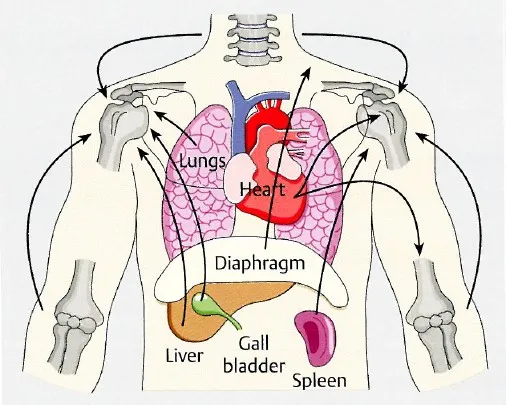 Pain in the joints of the handsPain in the joints of the hands affects people of all ages and often has a strong negative impact on the quality of life. Pain in the joints of the hands can limit both the ability to do physical work - lifting heavy objects, carrying...Read
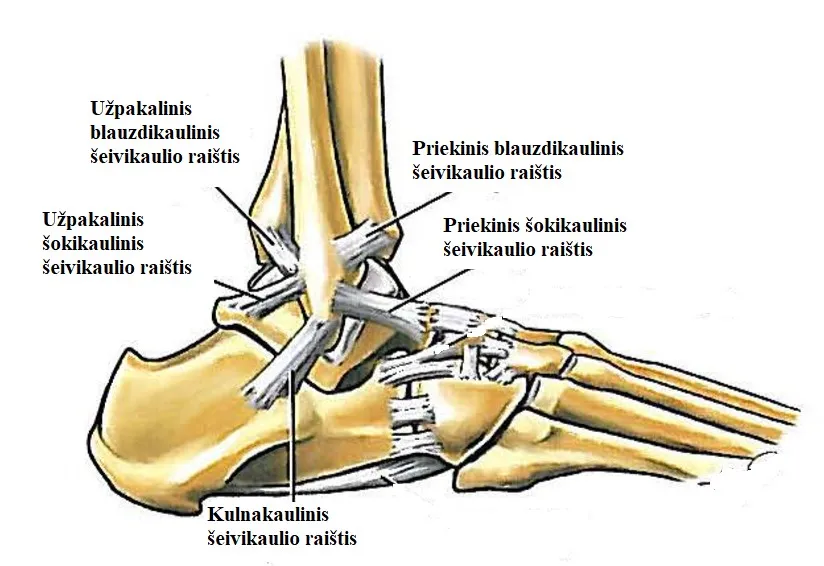 Instability of the ankle jointAnkle instability is joint laxity due to damaged/altered joint structures or inefficient muscle function. Ankle instability due to inefficient muscle work is called functional, while due to...Read
 Instability of the shoulder jointShoulder joint instability is much more common than other limb joint instability. This can largely be explained by the anatomical peculiarities of the shoulder joint. The shoulder, due to its structure, can easily be...Read
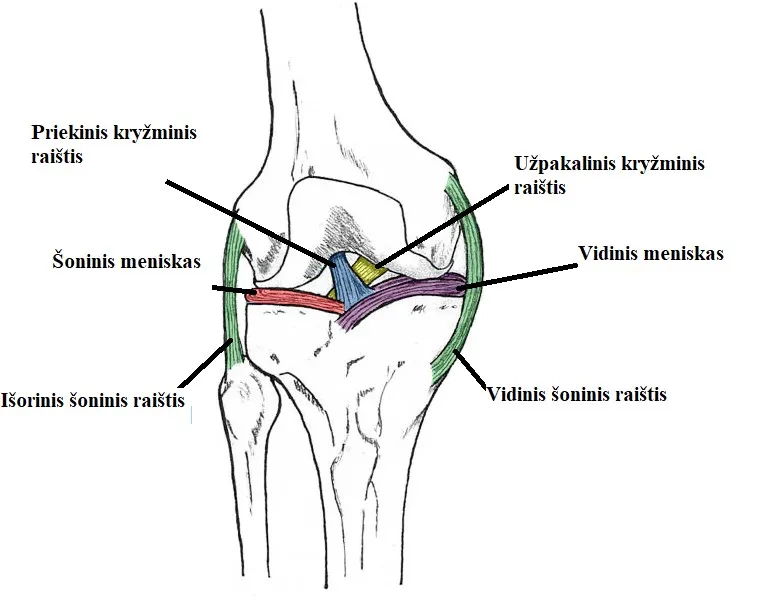 Instability of the knee jointInstability of the knee joint occurs when the ligaments of the joint (lateral or cruciate) are damaged, and is also reduced if the menisci are damaged or removed. Damage to the ligaments of the knee joint can occur...Read