Instability of the hip joint
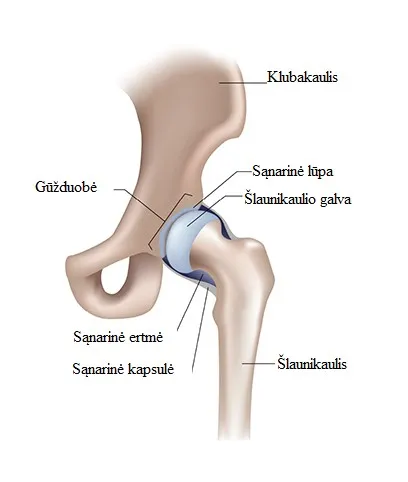
Fig. 1. Anatomy of the hip joint. https://www.towsonortho.com/specialties/joint-preservation-center/hip-joint-preservation/ (Edited by: Clinic of Physiotherapy).
- Topic
- Joints and tendons
- Reading time
- 5 minutes
Fig. 1. Anatomy of the hip joint. https://www.towsonortho.com/specialties/joint-preservation-center/hip-joint-preservation/ (Edited by: Clinic of Physiotherapy).
Hip instability is a fairly rare problem compared to other peripheral joint instability. The hip joint is a very strong joint. Its stability is determined by articular structures (femoral head, glenoid fossa (hip joint fossa), articular lip, ligaments and joint capsule) and muscle activity. Instability (pathological movement of the joint) occurs when the structural parts of the joint are damaged or changed. This can happen during a traumatic event, due to diseases, repetitive overload, congenital change in the shape of the joint or medical interventions.
Common symptoms of hip instability include:
Pain;
Feeling as if the joint will come out of place;
Looseness of the joint;
Clicking when making movements through the hip joint;
Increased risk of dislocation.
Hip instability is diagnosed during the interview, physical examination (by performing specific movements of the limb with the aim of provoking symptoms) and, if necessary, during radiological examinations. Occasionally, the test is performed under anesthesia.
Traumatic instability of the hip joint
Traumatic joint instability results from dislocation or subluxation (subluxation) of the hip joint. for example, falling from a great height or being injured in a car accident. It takes a lot of force to dislocate the hip joint, which is why such dislocations usually occur together with bone fractures. The head of the femur can dislocate forward (anterior dislocation) or backward (posterior dislocation) relative to the fossa. Posterior dislocation of the joint occurs most often.
During a hip joint injury, ligaments, muscles, vascular and nerve structures are damaged. A person feels great pain, he cannot move his leg, sometimes he cannot feel his limb due to damage to the nerve structures. Joint instability occurs due to damaged articular structures and muscles. There may be complications (neurological disorders, osteonecrosis, arthritis).
Acute trauma, if there is a fracture, is treated surgically, then conservative treatment, physiotherapy is required. If there is no fracture, surgical intervention is not always necessary. Restoration of joint function takes from 3 months.
Fig. 2. Posterior dislocation of the hip joint. https://vdocuments.mx/femoral-head-dislocation-posterior-hip-dislocation.html (edited by: Kineziterapijos Klinika)
Fig. 3. Axial load with rotation in sports. https://www.completesoccerguide.com/how-to-kick-a-soccer-ball/ .
Instability of the hip joint due to overload
Microinstability of the hip joint usually occurs in young people due to overuse sports (eg, soccer, skating, tennis, martial arts) and is associated with repetitive rotational movements and axial loading on one leg. Such a loading mechanism damages the articular structures (the articular lip and the capsule), which causes more load on the articular cartilage and ligaments. Cartilage degeneration may accelerate. Joint laxity does not always occur.
The primary symptom of overloaded hip instability is pain. A feeling of instability or a feeling that the joint will come out of place is less common. Basically, conservative treatment, physiotherapy and modified physical activities are used for faster recovery.
Instability of the hip joint due to diseases
Joint instability can occur in people with conditions such as Down syndrome, Marfan syndrome, and Ehlers-Danlos syndrome. In this case, the stability of not only the hip, but also other joints is impaired. This is due to the general lack of connective tissue (collagen) formation, due to which the articular structure cannot withstand external forces and minor injuries can dislocate the joint. Continuous physiotherapy treatment is required with the aim of strengthening the muscles of both the hip joint and the surrounding joints - knee, ankle and back - and improving neuromuscular activation and coordination.
Instability of the hip joint due to a change in the shape of the joint
For example, in hip dysplasia, the femoral head is deformed and the socket is shallow. The joint is not optimally supported, the most common is observed anterior microinstability of the joint. Femoral head dysplasia is congenital. Because of it, the baby may have one leg longer, the child may limp when starting to walk. Later, this can cause overload and damage to articular structures (cartilage, articular lip, ligaments). The joint is not difficult to dislocate. It is recommended to strengthen muscles and improve neuromuscular activity. In severe cases, surgical treatment is used.
In contrast, in hip joint tightness, when the joint fossa encloses the femoral head too much (pincer deformity) or joint motion is altered due to femoral deformity (plug deformity), posterior microinstability of the joint can occur. In such cases, the limitation of the range of motion of the hip joint is primarily felt, as well as pain, "tightening" at the end of the movements. There may be joint clicking during movement, pain. The problem is treated with physiotherapy. Surgical treatment is occasionally required.
Fig. 4. Dysplasia of the hip joint. http://physicaltherapycorner.blogspot.com/2016/ (Edited by: Kineziterapijos Klinika).
Fig. 5. Tightness of the hip joint. https://orthoinfo.aaos.org/en/diseases-conditions/femoroacetabular-impingement/ (Edited by: Kineziterapijos Klinika).
Iartrogenic instability of the hip joint (instability after medical intervention)
This type of instability is very rare, but occurs after hip arthroplasty, joint osteotomy, capsulotomy, and after arthroscopic joint surgery.
Suffering from hip pain? Experiencing constant popping in the hip joint? Hip feeling unstable? We work with hip joint problems every day.
We invite you to register: +370 682 21 414
Sources
- Mr. Bruckner. Clinical Sports Medicine. North Ryde: McGraw-Hill Education Australia, 2012. ISBN: 9780070998131.
- Kalisvaart, M., M., Safran, M., R. (2015). Microinstability of the hip-it does exist: etiology, diagnosis and treatment. Journal of Hip Preservation Surgery.
- Wong, S.,J., Nicholson, J., Ahmed, I., Ning, A., Keating, J.,F. (2018). LONG-TERM OUTCOME FOLLOWING ACETABULAR FRACTURES ASSOCIATED WITH POSTERIOR HIP DISLOCATION. Orthopedic Proceedings.
 Joint pain and pathologiesA joint is a complex connection between two or more bones that helps us perform various movements. Each joint consists of cartilage that covers the ends of the bones and reduces the impact force directed at the joint. At the ends of the bone...Read
 Joint painJoint pain is one of the most common problems of the musculoskeletal system. The human body has many joints of different sizes that connect bony structures, help with movement and withstand large loads...Read
 Knee joint painPain in the leg joints (pain in the hip joints, foot joints, knee joints) is a common phenomenon that is faced by more and more people, it is experienced by young, middle-aged and elderly people alike. This happens...Read
 Pain in the joints of the handsPain in the joints of the hands affects people of all ages and often has a strong negative impact on the quality of life. Pain in the joints of the hands can limit both the ability to do physical work - lifting heavy objects, carrying...Read
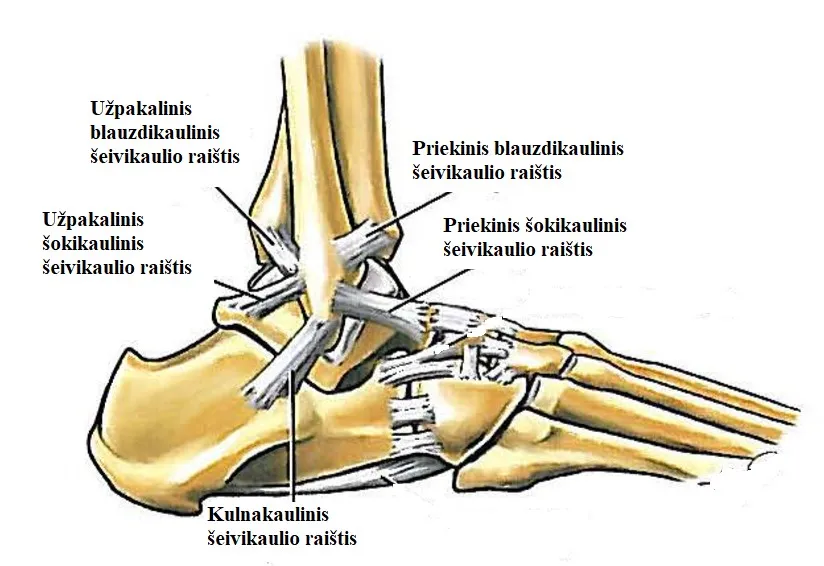 Instability of the ankle jointAnkle instability is joint laxity due to damaged/altered joint structures or inefficient muscle function. Ankle instability due to inefficient muscle work is called functional, while due to...Read
 Instability of the shoulder jointShoulder joint instability is much more common than other limb joint instability. This can largely be explained by the anatomical peculiarities of the shoulder joint. The shoulder, due to its structure, can easily be...Read