Treatment of injuries
When performing a certain physical action, sudden, severe pain in a specific place, which can later bother you repeatedly during sports training, games and even rest, swelling, inability to move the body...
- Topic
- Injuries and rehabilitation
- Reading time
- 6 minutes
Sudden strong pain in a specific place during a physical action, which may later return during training, games and even rest, swelling, being unable to put weight on one leg, pain in the knee, ankle, arm, elbow, wrist or fingers, or new weakness in a leg or arm all warn of a possible injury. Kineziterapijos Klinika has many years of experience in rehabilitating sports and other injuries, and also works on prevention: we work actively with athletes to reduce their risk of injury in the future.
For injury treatment, Kineziterapijos Klinika uses:
Manual therapy: after an injury, special hand movements reduce tension in the injured muscles, relieve pain, strengthen muscles weakened by the injury or surgery and restore normal movement.
Functional neurology: every injury creates not only a structural change (for example a cracked bone or a torn muscle, ligament or tendon) but also a receptor dysfunction. Even after the structure (bone, muscle, etc.) has fully healed, the receptor dysfunction usually remains, inhibiting muscle activation, unbalancing proprioception and so on. That is why, even long after an injury, people feel pain and weakness in the injured area and cannot fully regain their strength. Functional neurology helps resolve these dysfunctions very effectively and quickly, so recovery after injuries is much faster.
Taping: reduces post-injury pain in the muscles, their sheaths, joints and ligaments, and the inflammatory process. Taping activates blood and lymph flow and eases internal tissue pressure, pain and swelling. The tape helps stabilise the injury and supports painful tissues, so after taping, with a minor injury, a person can continue sport and other activities without restrictions.
Spinal and joint mobilisation: after a sports or other injury, slow movements relieve pain in the injured area and release tension in the joints.
Spinal and neck traction: after a spinal or neck injury, it reduces the load on the intervertebral discs and improves blood flow. This reduces inflammation, frees compressed nerve roots and restores freedom of movement: turning the head and neck becomes much easier and pain eases.
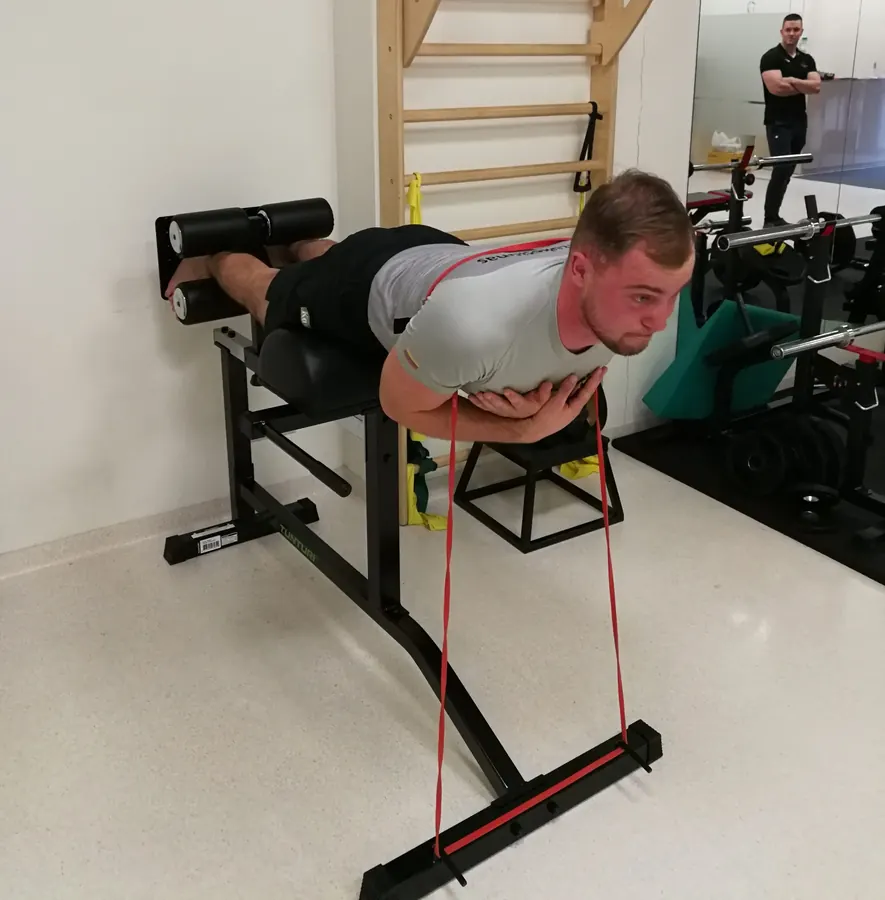
Physiotherapy (treatment through movement): individually adapted exercises speed up recovery after an injury or surgery and restore a normal range of motion; special stretching exercises improve muscle flexibility and strength and relax the muscle after an injury; preventive physiotherapy strengthens the stabilising muscles and so lowers the risk of future injury. Physiotherapy with elastic resistance: elastic resistance bands help regain movement faster after an injury, strengthen various muscle groups and increase their endurance and joint flexibility.
Therapeutic massage: individually adapted massage techniques relieve post-traumatic pain, release muscle tension, improve muscle elasticity, blood flow and lymph circulation, and prevent muscle atrophy, which can develop when the injured area stays immobile for a long time after an injury or surgery. Therapeutic massage speeds up healing, helps reduce scar tissue around the injured area, so the patient regains speed and range of movement faster, and reduces post-traumatic stress and anxiety. The human body is a complex physical and biomechanical mechanism. Professional athletes and amateur sportspeople are among the groups most vulnerable to injury. Athletes most often face injuries of muscles, ligaments, tendons, joints and the spine. Injuries also happen at work, at home and in road accidents. Professional athletes and people who love an active lifestyle and extreme sports deal with injuries almost every day. Minor injuries (ankle, finger and joint damage, bruises, muscle strains) can heal within a few weeks, but more serious ones (Achilles tendon, knee cruciate ligament, meniscus and ankle injuries, fractures) that need surgery can require long rehabilitation. The most common causes of injury: an unusually high load (too much weight or speed, large-amplitude movements), weakened muscles, ligaments that have lost elasticity, a poor warm-up and stretching, and ligament and joint damage from fast movements or sudden stops.
The most common injuries and their causes:
Muscle, tendon and ligament injuries
These injuries happen because of excessive physical load during training and sudden, unexpected movements. They are common among track and field athletes, basketball players and amateur athletes; runners often suffer Achilles tendon damage. Muscles, tendons and ligaments can be strained, torn or inflamed. A tear shows as very sharp pain that gradually increases, swelling, restricted movement and impaired muscle or joint function; a torn ligament can make the joint loose, so it bends in a direction it should not. A torn tendon shows as a lump under the skin, and bruising may also appear. Untreated injuries can cause complications: ligament or tendon insufficiency, chronic pain and tissue inflammation.
Shoulder joint injuries
This injury happens when monotonous movements of the shoulder joint are repeated constantly, causing a joint strain, torn ligaments, damaged tendons and sometimes even a dislocated humerus or collarbone. Such injuries are common among swimmers, tennis players and weightlifters, and also happen when working with the arms raised high in the garden or at home. Shoulder injuries can also occur when the arm is twisted too hard at the shoulder, after a fall onto an outstretched arm or a blow to the shoulder.
Knee joint injuries
These injuries most often happen because of overload of the cartilage tissue called the meniscus. The menisci in the knee absorb shocks to the joint and stabilise it. Cracking, swelling, pain and locking of the knee signal an injury. The most common injuries are a meniscus crack or a partial or complete meniscus tear. Meniscus tears usually affect basketball and football players, runners, tennis players, martial artists and other athletes and amateurs. The injury happens when, moving to one side, you suddenly change direction and the whole body weight lands on the bent supporting leg. Another common injury is a tear of the anterior cruciate ligament, which keeps the knee stable. The ligament is injured by a blow to the shin or when the body twists around the supporting leg.
Nugaros, kaklo traumos
Back injuries most often happen when training with too high a load, overestimating one's physical abilities, moving incorrectly, bruising the back in a fall, in road accidents or doing extreme sports. Athletes often see doctors about lower back pain. Strong, fast whole-body movements most often damage the lumbar spine. Back injuries make up 5-10% of all injuries in athletes and are typical for cyclists and swimmers. Back injuries and the pain that comes with them can be caused by strained muscles and ligaments that support the spine, lifting weights that are too heavy, incorrectly performed repetitive exercises, vertebral fractures, joint damage, overstretched muscles and micro-injuries of the intervertebral discs.
Injuries that are untreated or treated too late can have a long-term negative effect on a person's life and an athlete's career, so it is very important not to delay and to see professionals in time.
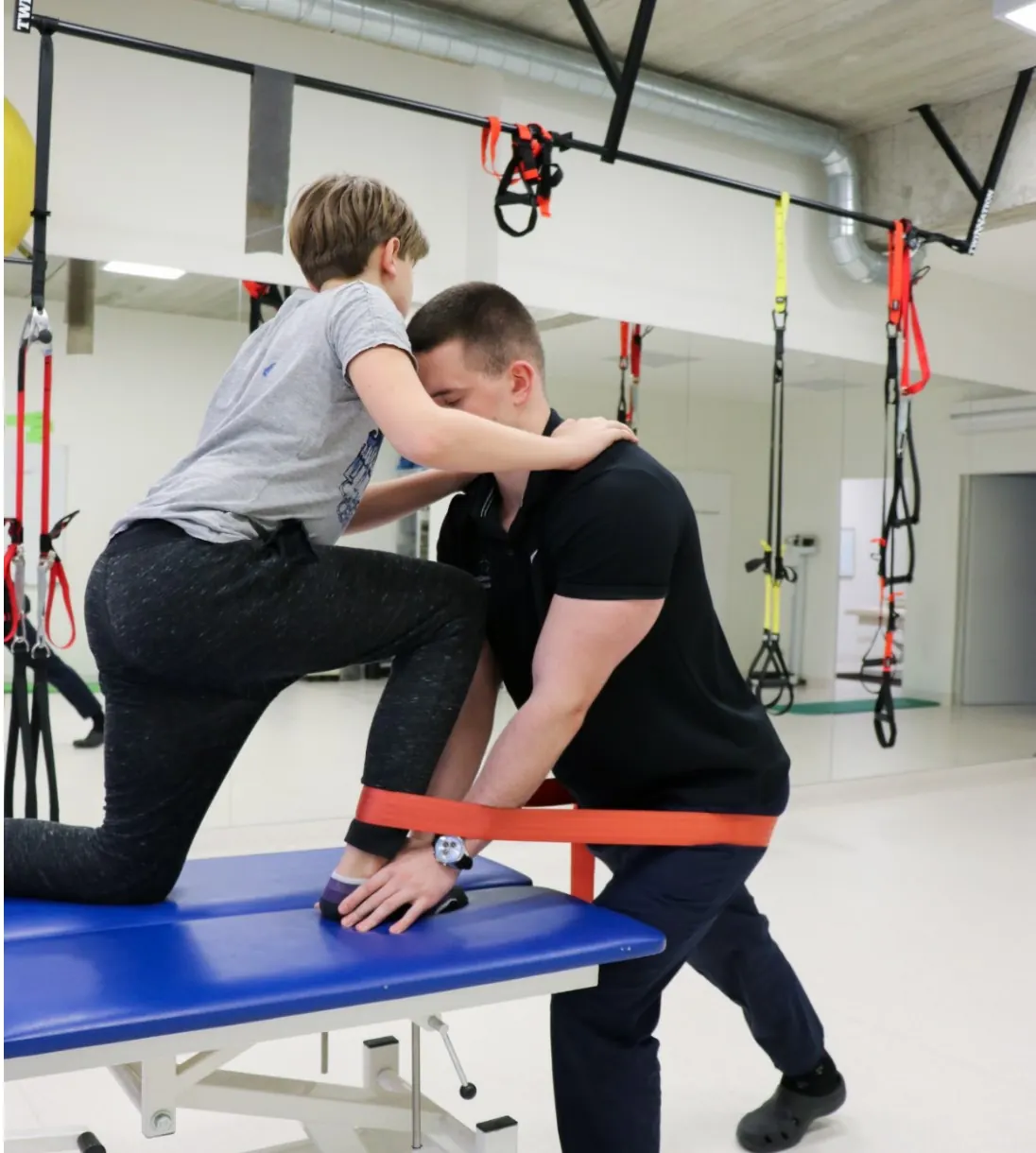 Rehabilitation after injuriesRehabilitation after injuries is one of the most important stages of treatment, which depends on the patient's ability to work, recovery of independence after various injuries. Research shows that the right physical therapy chosen after an injury can have...Read
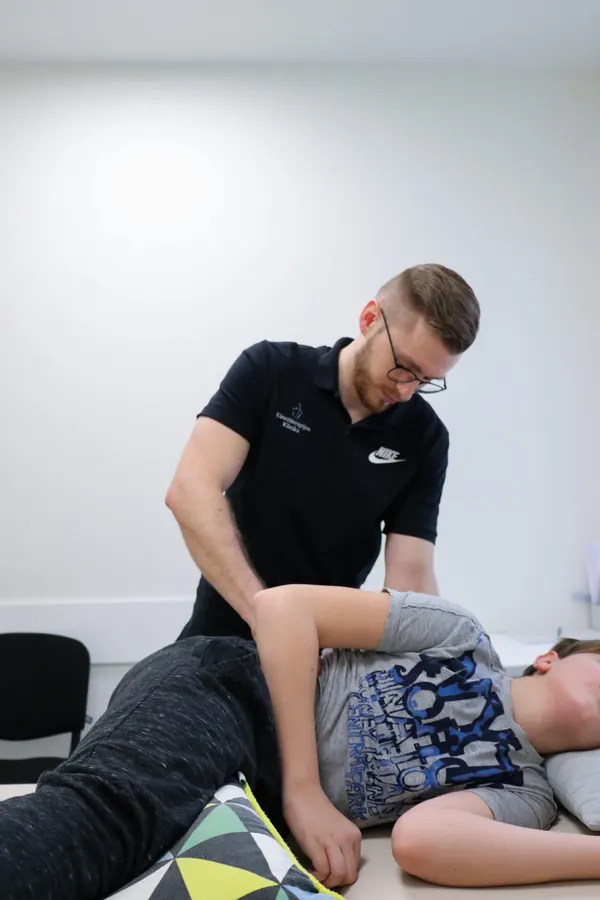 Rehabilitation after surgeryRehabilitation after surgery helps to recover faster, get rid of pain and regain freedom of movement - to restore impaired functions, so that the patient can return to normal daily life, sports...Read
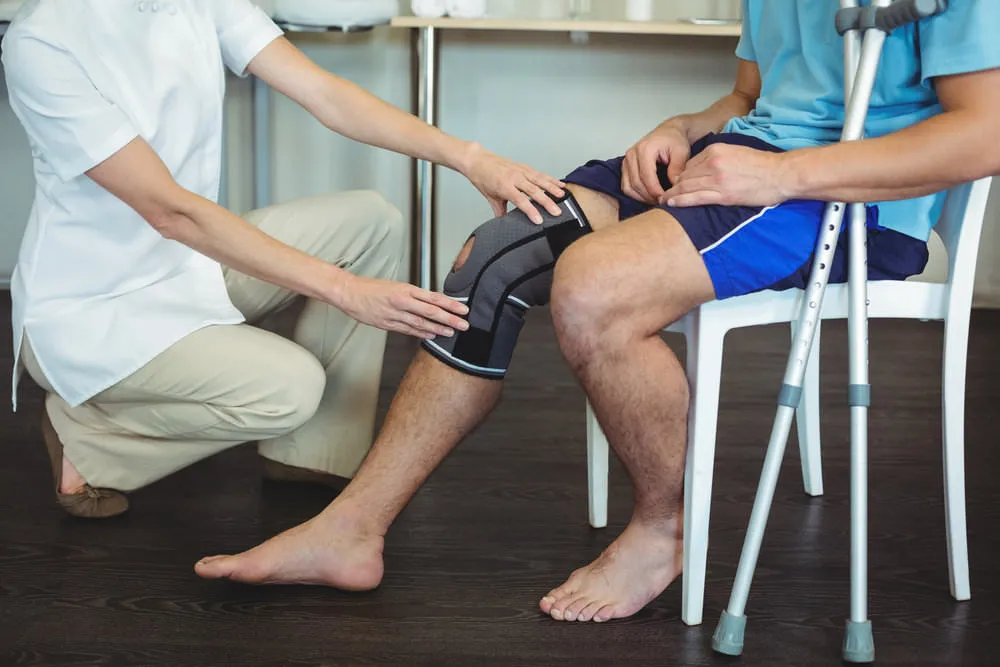 Rehabilitation after chemotherapy and oncological operationsWeakness, lack of strength, muscle and joint pains, decreased physical endurance, unstable gait, balance and coordination disorders, decreased appetite are common symptoms accompanying oncological operations...Read
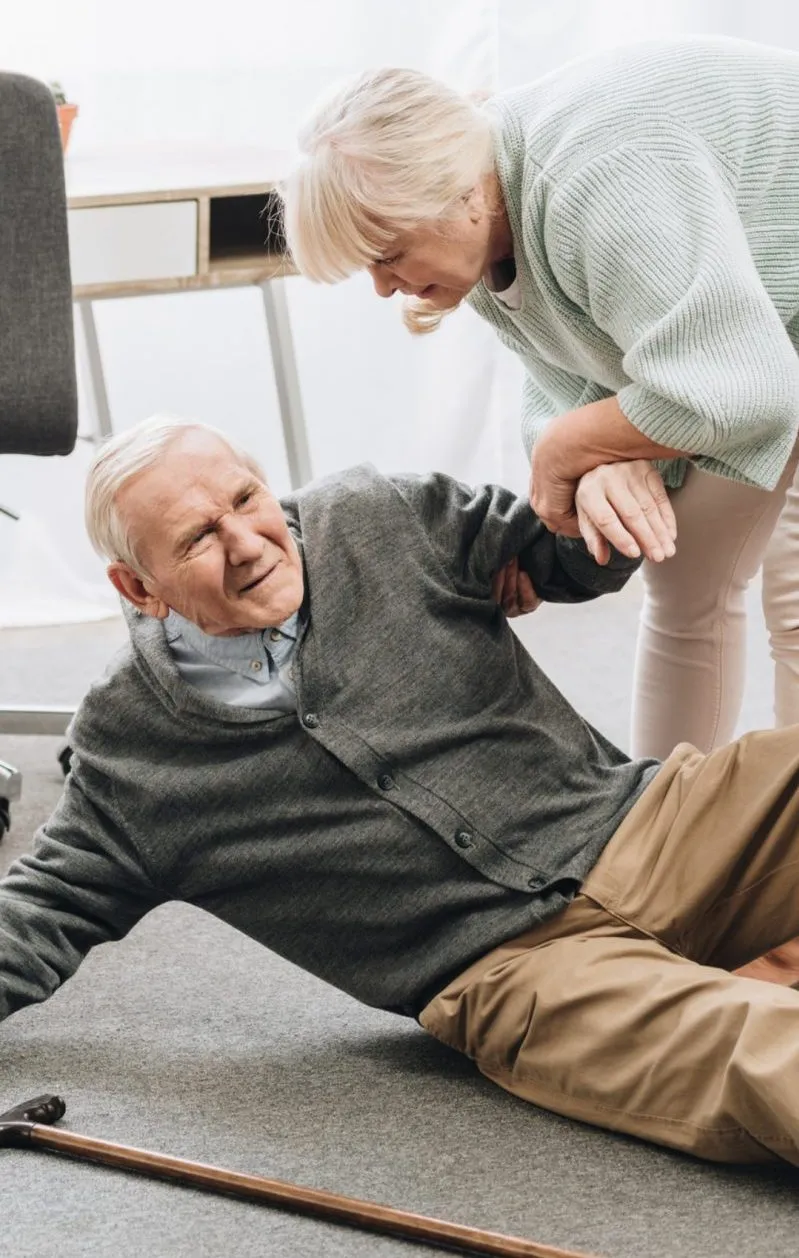 Fall preventionAccording to the WHO, falls are one of the major public health problems worldwide. As many as 37.3 million people worldwide fall each year and are injured badly enough to require...Read