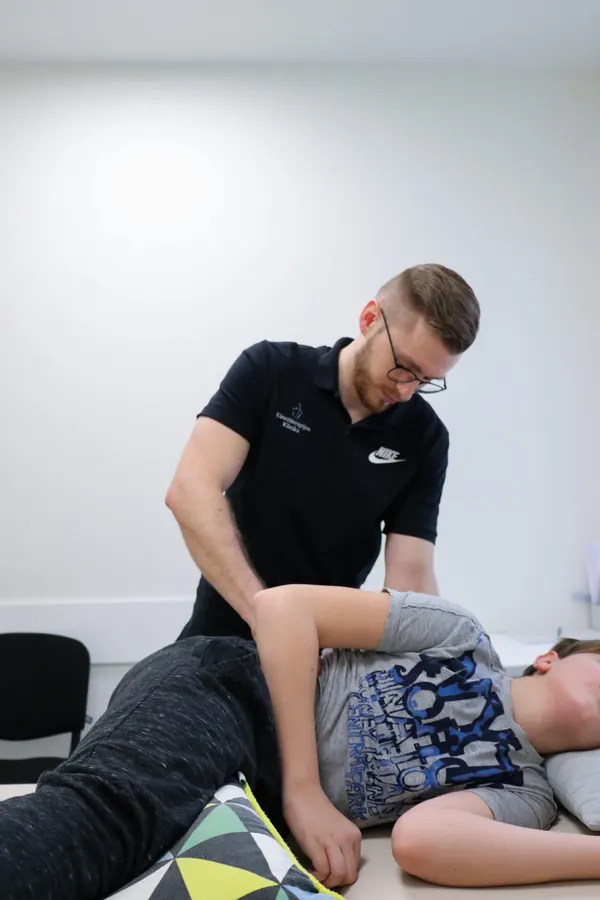
Rehabilitation after surgery
Rehabilitation after surgery helps to recover faster, get rid of pain and regain freedom of movement - to restore impaired functions, so that the patient can return to normal daily life, sports...
- Topic
- Injuries and rehabilitation
- Reading time
- 2 minutes
Rehabilitation after surgery helps you recover faster, get rid of pain and regain freedom of movement, restoring impaired functions so you can return to normal daily life and sport sooner.
At Kineziterapijos Klinika we most often provide rehabilitation after surgery for these conditions:
Anterior cruciate ligament tear of the knee
After a severe anterior cruciate ligament tear that needs surgery, rehabilitation can take 6 to 12 months. The complexity of this injury can have long-term effects on quality of life and on taking part in active sport. Immediately after the operation the patient does exercises that reduce knee swelling, exercises that gradually restore the range of motion from 0 to 100 degrees, and exercises that activate the thigh muscles. The goals of further rehabilitation are reducing inflammation (kinesio taping can be used), bending the knee to 130 degrees, improving muscle control and balance, and restoring a normal gait. Isometric quadriceps exercises and straight-leg raises help restore the knee's range of motion and stability faster. Since crutches are needed after surgery, the physiotherapist teaches the patient to walk with them correctly while limiting the load on the injured knee. Patients are often allowed back to light sport, such as running, 2-3 months after surgery, and to contact sport after 6 months.
Meniscus tear
The main goal of treating a torn meniscus is to preserve it, because after its removal the joint cartilage degenerates quickly. After surgery it is very important to start rehabilitation as early as possible. Depending on the type of tear, weight-bearing is limited and physiotherapy exercises are used to develop joint mobility and strength. Treatment is usually comprehensive. Kinesio taping can be used in rehabilitation after surgery.
Various cartilage injuries
The most common causes of joint cartilage damage are disorders of cartilage and bone growth and development, and traumatic damage. When these disrupt the blood supply to the bone, the cartilage loses its physiological connection with the bone beneath it, becomes vulnerable and gradually wears away. Injuries can also damage cartilage. After bone and joint injuries it is essential to start rehabilitation as early as possible, because delay can lead to more serious cartilage damage. Rehabilitation uses physiotherapy exercises, joint mobilisation, manual therapy and kinesio taping.
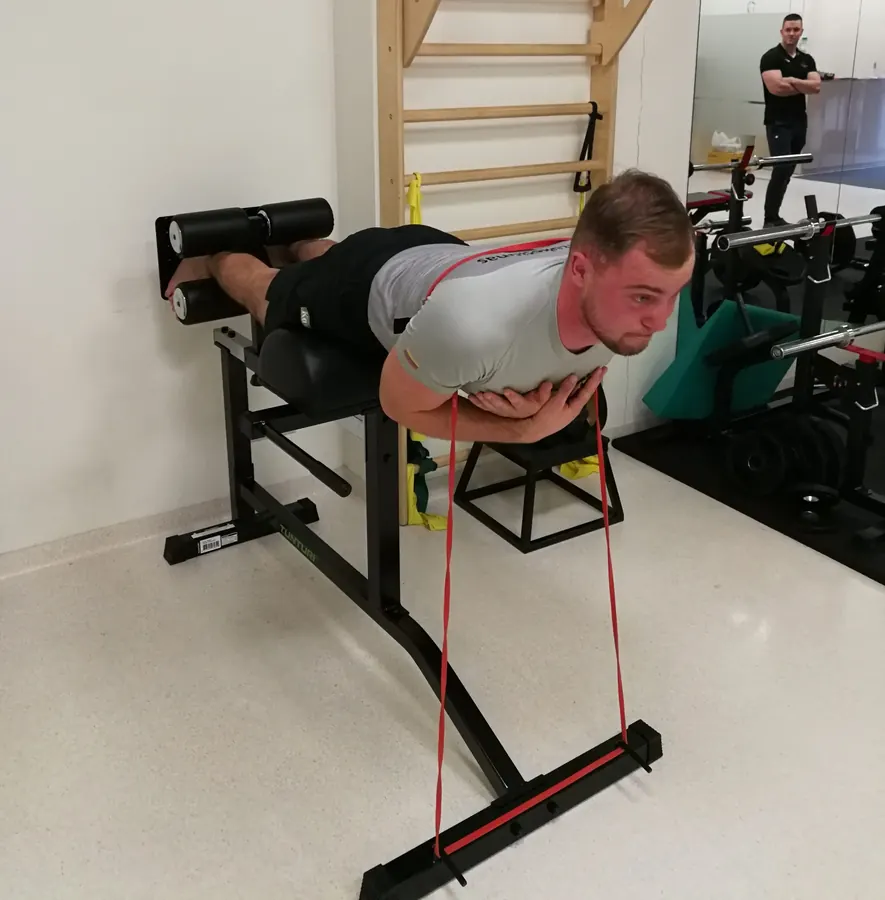 Treatment of injuriesWhen performing a certain physical action, sudden, severe pain in a specific place, which can later bother you repeatedly during sports training, games and even rest, swelling, inability to move the body...Read
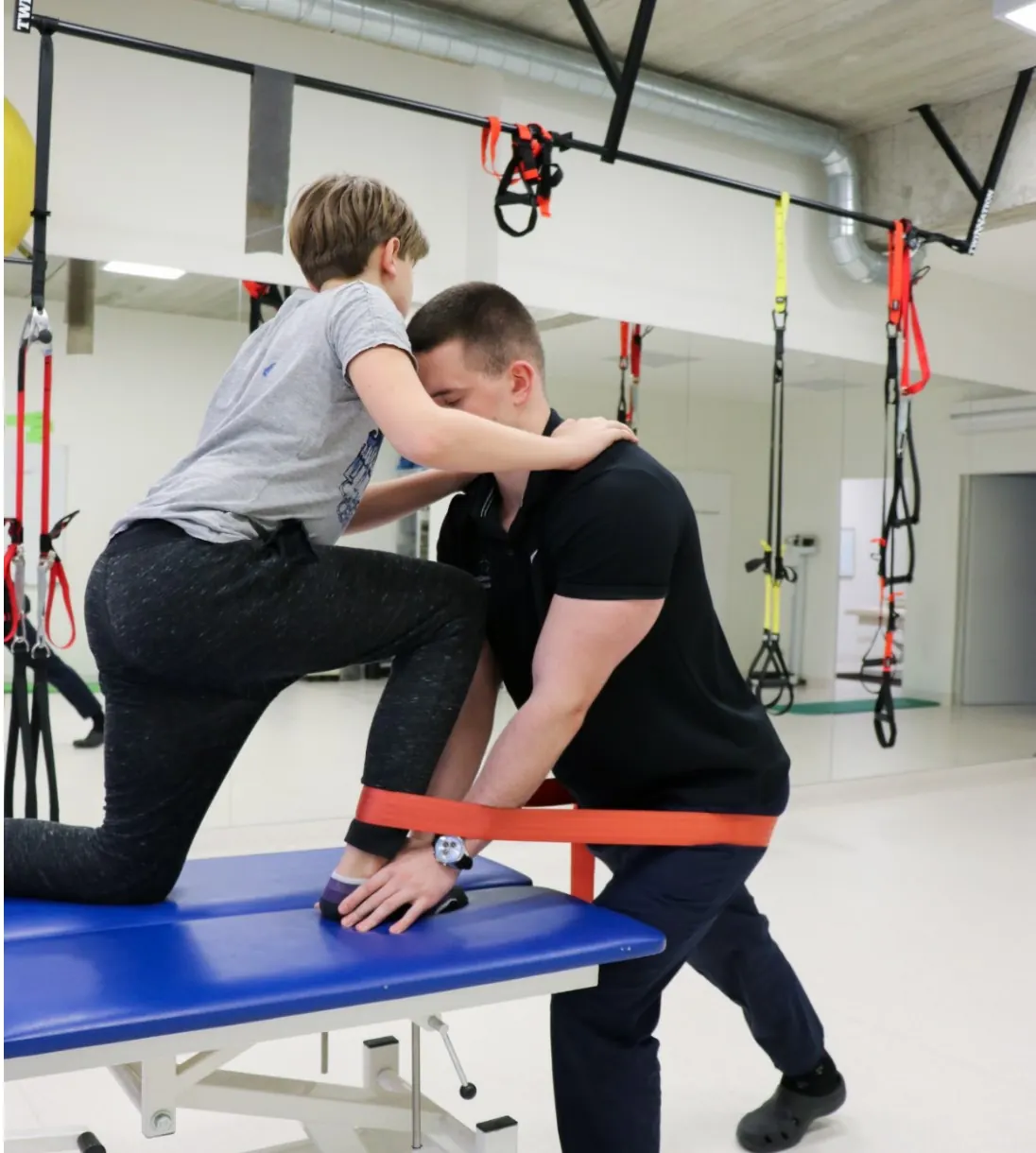 Rehabilitation after injuriesRehabilitation after injuries is one of the most important stages of treatment, which depends on the patient's ability to work, recovery of independence after various injuries. Research shows that the right physical therapy chosen after an injury can have...Read
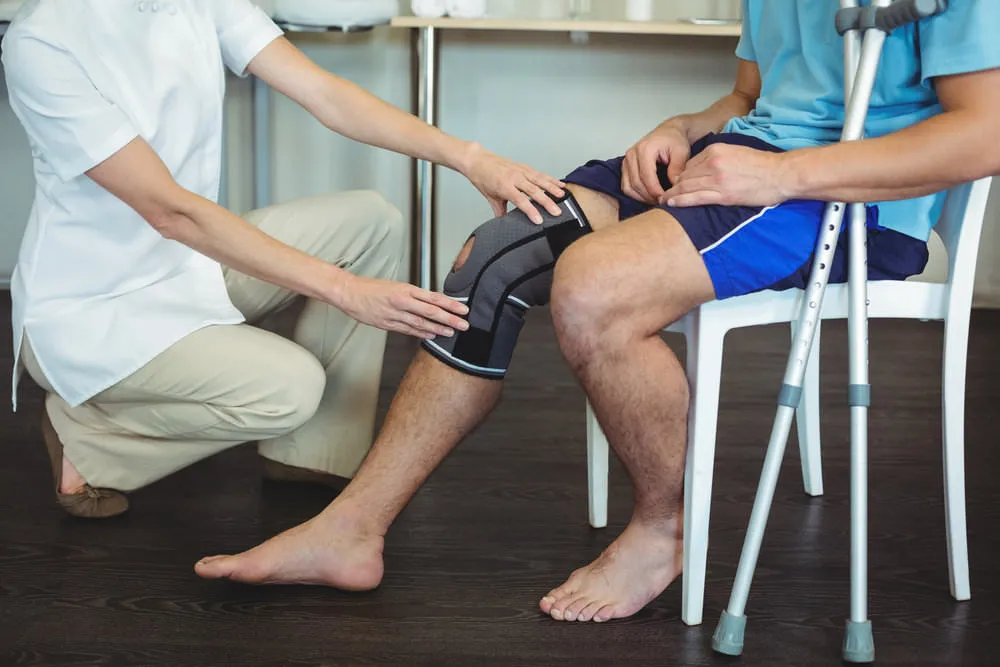 Rehabilitation after chemotherapy and oncological operationsWeakness, lack of strength, muscle and joint pains, decreased physical endurance, unstable gait, balance and coordination disorders, decreased appetite are common symptoms accompanying oncological operations...Read
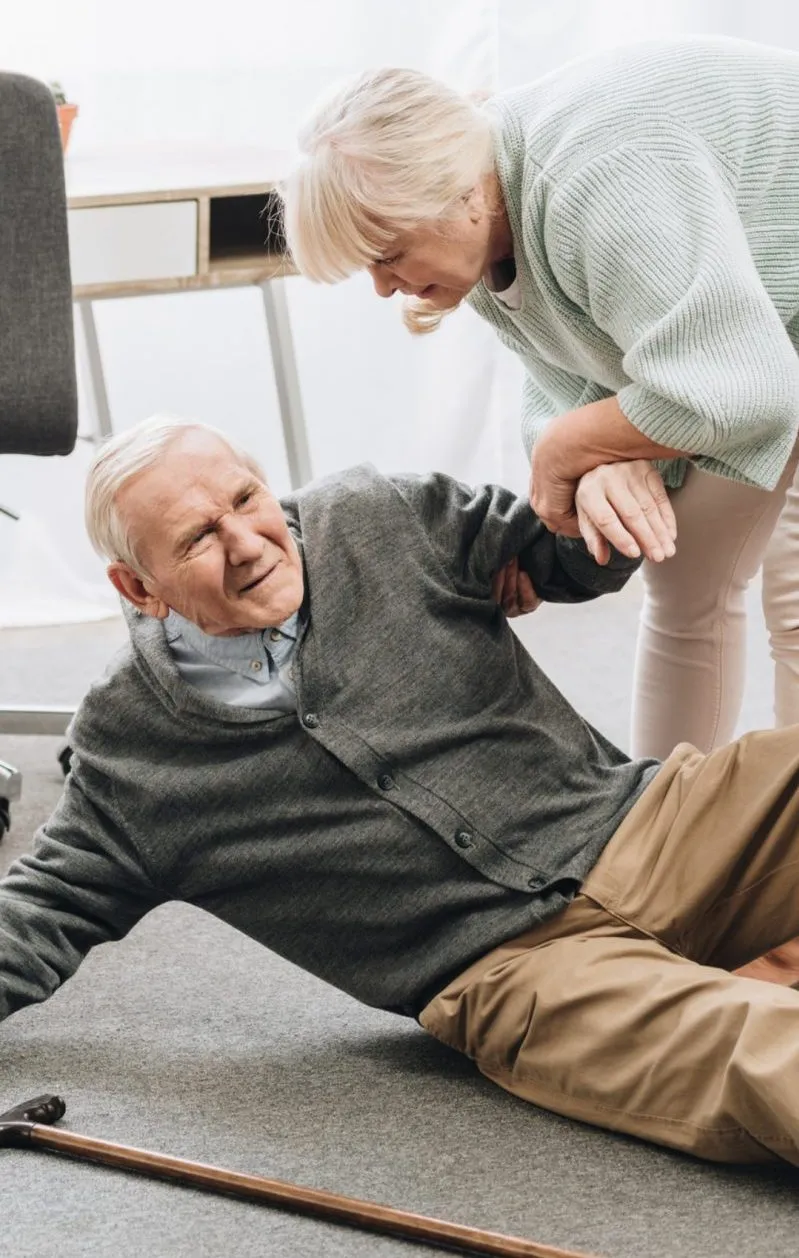 Fall preventionAccording to the WHO, falls are one of the major public health problems worldwide. As many as 37.3 million people worldwide fall each year and are injured badly enough to require...Read