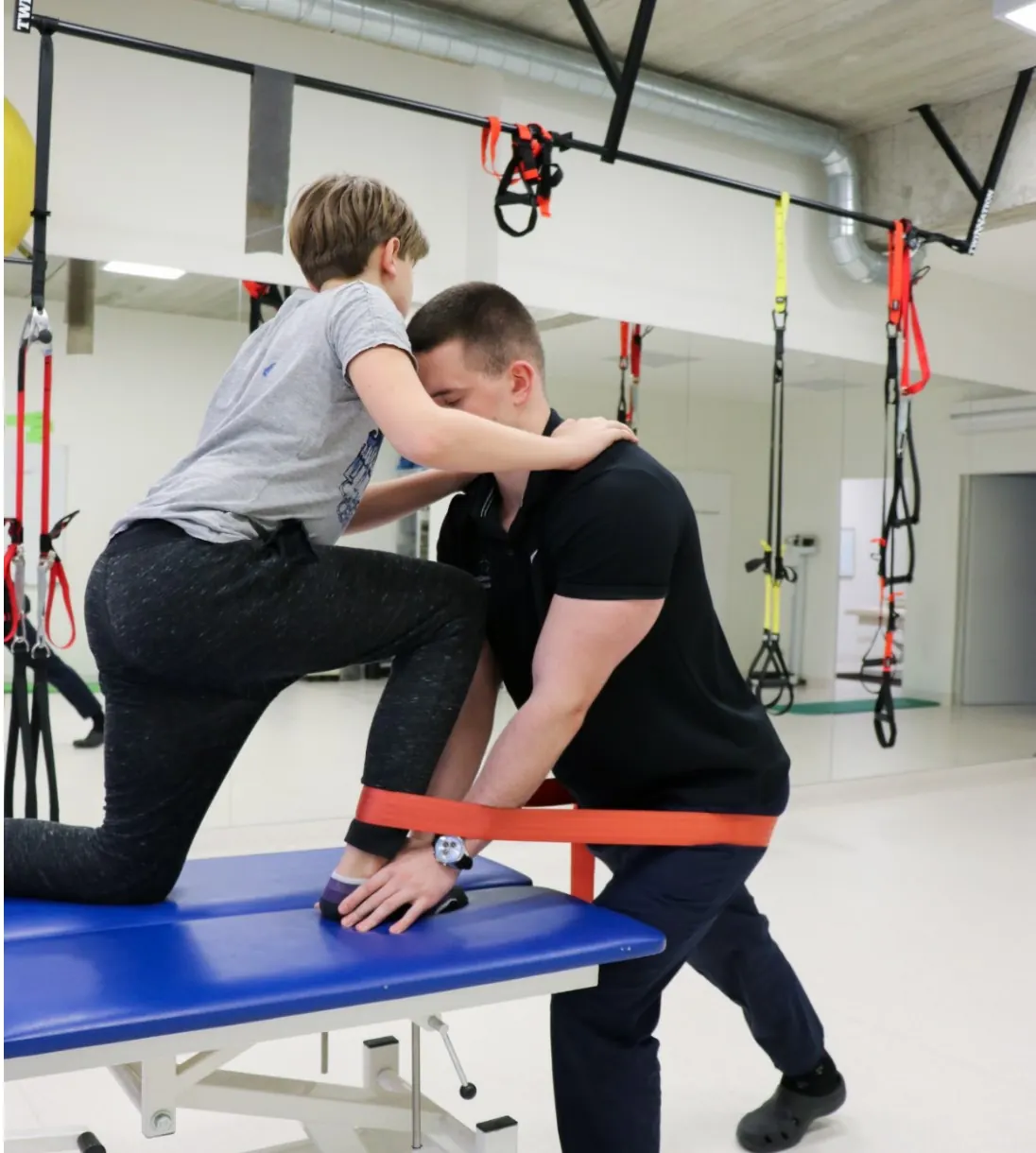
Rehabilitation after injuries
Rehabilitation after injuries is one of the most important stages of treatment, which depends on the patient's ability to work, recovery of independence after various injuries. Research shows that the right physical therapy chosen after an injury can have...
- Topic
- Injuries and rehabilitation
- Reading time
- 2 minutes
Rehabilitation after injuries is one of the most important stages of treatment: it decides how well the patient regains working ability and independence. Research shows that the right physiotherapy after an injury can have a big positive effect on healing. Our specialists create an individual rehabilitation programme for every patient.
At Kineziterapijos Klinika we most often provide rehabilitation after these injuries:
Ankle ligament sprain or tear
An ankle ligament sprain or tear is one of the most common injuries. Bruising and swelling may appear afterwards. A very small tear from a slight twist can heal in a few weeks, but recovery from an ankle ligament tear usually takes a month or even several. To help the injured area heal faster, restore function more easily and reduce pain, we use physiotherapy exercises, treatment with small-amplitude movements, weight-transfer exercises and kinesio taping.
Anterior or posterior cruciate ligament tear of the knee
Anterior and posterior cruciate ligament tears are very common among skiers and athletes in contact sports, and among extreme sports enthusiasts outdoors. The damage happens from a direct blow to the shin or when the body twists around the supporting leg. The injury shows as strong swelling of the knee and instability. We recommend starting physiotherapy even before a planned operation (if one is needed). Treatment uses exercises that reduce swelling, increase the knee's range of motion and strengthen the thigh muscles (especially the quadriceps). Kinesio taping and manual therapy can be used to relieve pain and swelling, and therapeutic massage to prevent muscle atrophy.
Meniscus tear
Meniscus tears most often affect basketball and football players, runners, tennis players, martial artists and other athletes and amateurs. The injury happens when, moving to one side, you suddenly change direction and shift the whole body weight onto the bent supporting leg. Rehabilitation after a meniscus tear uses physiotherapy with exercises to strengthen the quadriceps, aiming to restore knee movement to 135 degrees. Kinesio taping can also be used.
Shoulder injuries: shoulder joint dislocation, collarbone dislocation
This injury happens when monotonous movements of the shoulder joint are repeated constantly, causing a joint strain, torn ligaments, damaged tendons and a dislocated humerus or collarbone. Such injuries are typical of swimmers, tennis players and weightlifters, and also happen when working in the garden or at home with the arms raised high. Shoulder injuries can also occur when the arm is twisted too hard at the shoulder, after a fall onto an outstretched arm or a blow to the shoulder. They are treated with kinesio taping, which reduces shoulder pain, inflammation and swelling, normalises muscle tone, speeds up healing and stabilises the shoulder joint without limiting range of motion or blood flow. To restore the shoulder, we use physiotherapy with medicine balls and plyometric exercises with stretching, contraction and rotation movements, as well as manual therapy, and therapeutic massage to prevent muscle atrophy.
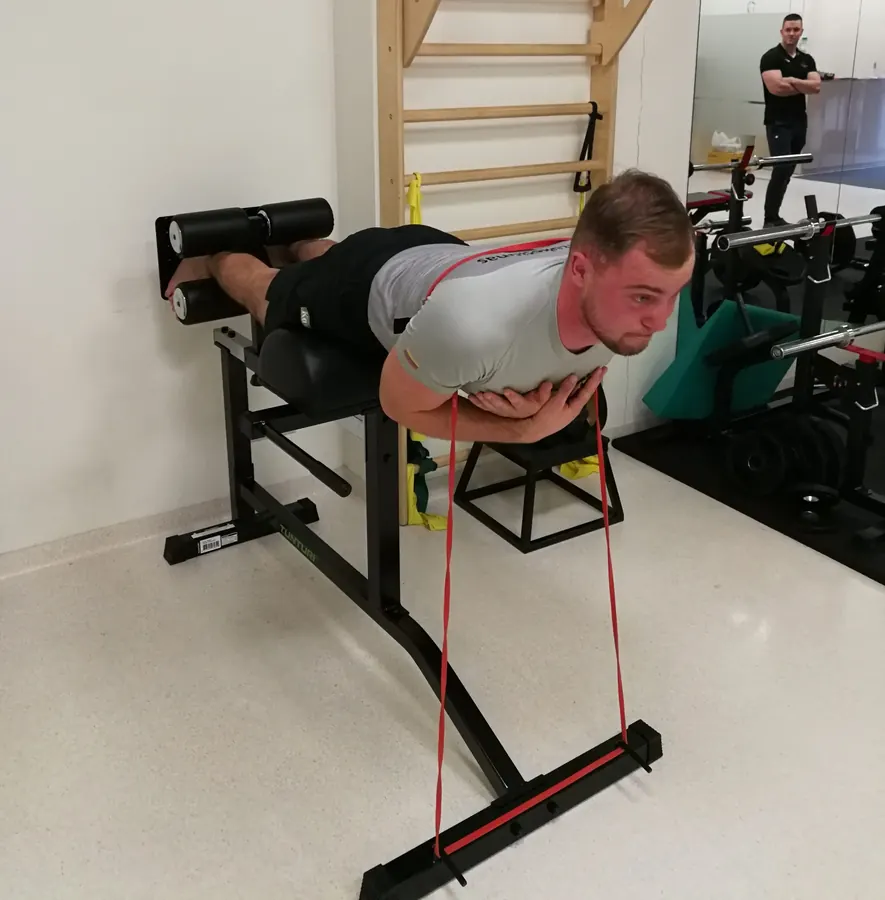 Treatment of injuriesWhen performing a certain physical action, sudden, severe pain in a specific place, which can later bother you repeatedly during sports training, games and even rest, swelling, inability to move the body...Read
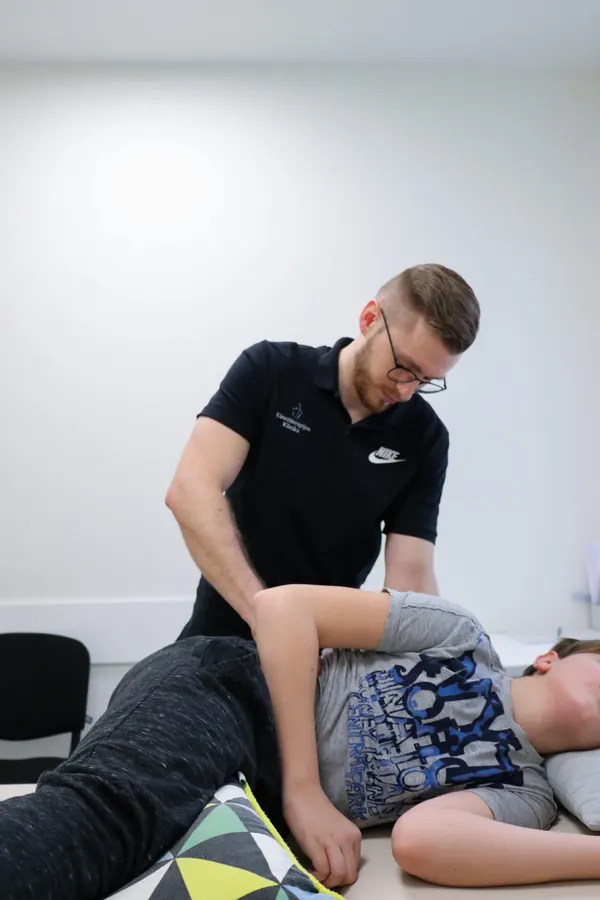 Rehabilitation after surgeryRehabilitation after surgery helps to recover faster, get rid of pain and regain freedom of movement - to restore impaired functions, so that the patient can return to normal daily life, sports...Read
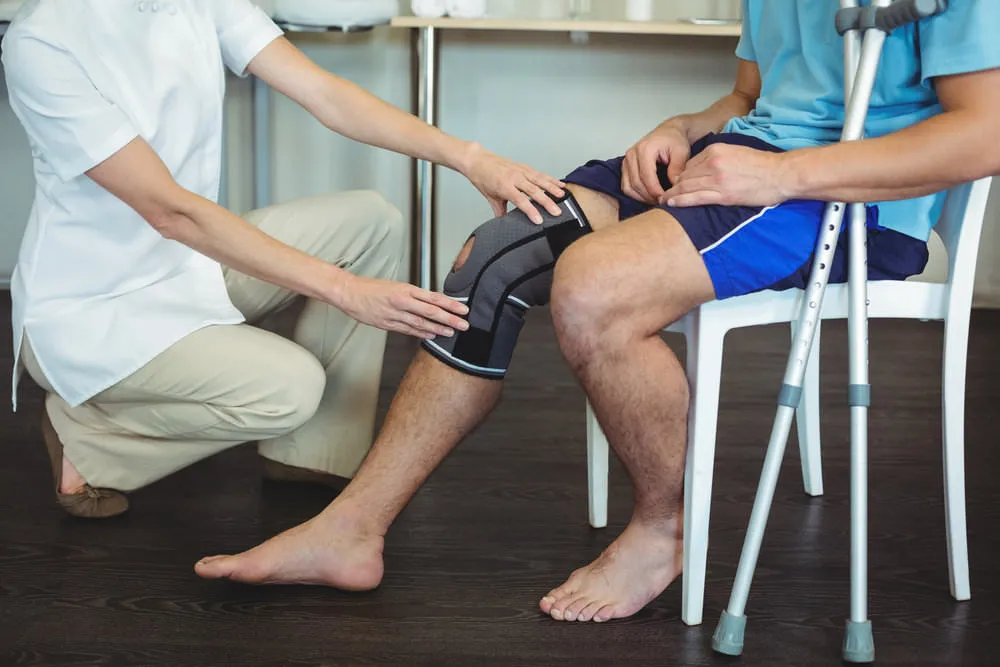 Rehabilitation after chemotherapy and oncological operationsWeakness, lack of strength, muscle and joint pains, decreased physical endurance, unstable gait, balance and coordination disorders, decreased appetite are common symptoms accompanying oncological operations...Read
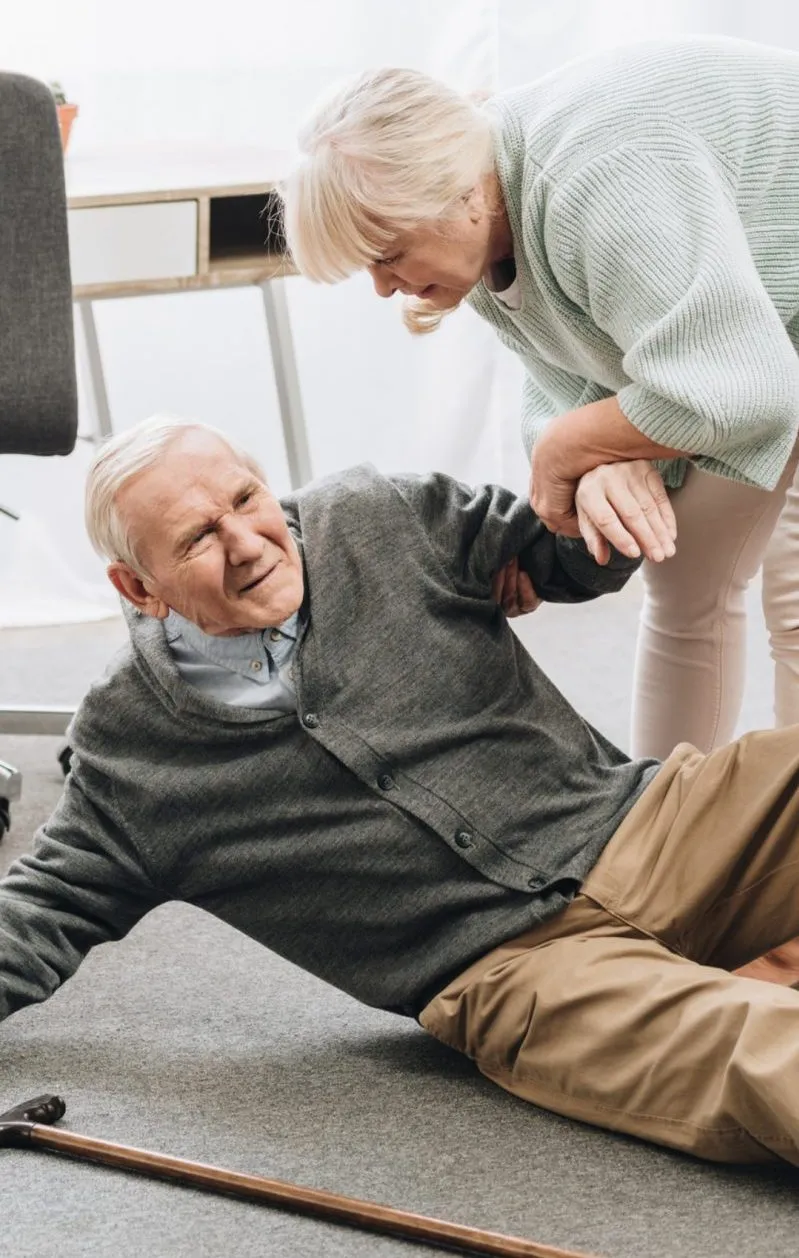 Fall preventionAccording to the WHO, falls are one of the major public health problems worldwide. As many as 37.3 million people worldwide fall each year and are injured badly enough to require...Read