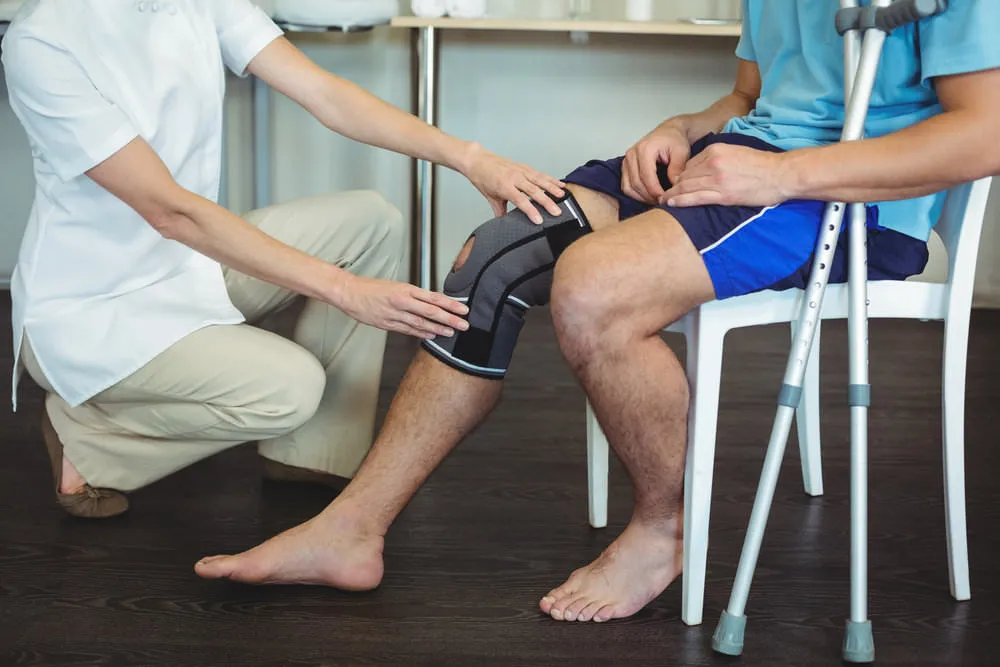
Rehabilitation after chemotherapy and oncological operations
Weakness, lack of strength, muscle and joint pains, decreased physical endurance, unstable gait, balance and coordination disorders, decreased appetite are common symptoms accompanying oncological operations...
- Topic
- Injuries and rehabilitation
- Reading time
- 5 minutes
Weakness, lack of strength, muscle and joint pain, reduced physical endurance, an unsteady gait, balance and coordination problems and a reduced appetite are common symptoms after cancer surgery, chemotherapy and radiotherapy.
The goal of rehabilitation after chemotherapy and cancer surgery is to restore lost body and movement functions and bring back working ability, well-being and quality of life. An individual rehabilitation plan is made depending on the disease, the operation, the intensity and complexity of the treatment and the patient's condition.
Effects of chemotherapy and cancer surgery:
Cancer often leads to osteoporosis (thinning bones), muscle problems, nervous system diseases (for example peripheral neuropathy, with tingling and numbness in the hands and feet), lymphoedema (swelling caused by the removal of lymph nodes), and flare-ups of arthritic, lung and cardiovascular diseases. Quite often in cancer cases all the attention goes to the disease itself, while other parts of the body and organ systems are completely forgotten and ignored. That is why rehabilitation after cancer aims not only to restore the functions directly affected by the disease but also to improve the condition of the whole body.
Benefits of rehabilitation and physical activity during or after cancer: scientific evidence:
Research shows that moderate-intensity aerobic exercise and/or strength exercises during or after cancer treatment can reduce anxiety, symptoms of depression and fatigue, and improve health-related quality of life 2. Physical activity also has a positive effect on bone health and sleep quality 2.
The latest research shows that physical activity can not only improve well-being but also increase the effectiveness of cancer treatment and reduce the risk of death in certain cancers: breast, colon and prostate cancer 2,3. In breast cancer, physical activity can reduce mortality from co-existing diseases by up to 42% and from breast cancer itself by up to 40% 5. In colon cancer, the risk of death from co-existing diseases falls by 38% and from the cancer by 30% 1. In prostate cancer, the risk of death from other diseases falls by 33% and from the cancer itself by 45% 1.
The role of physical activity in cancer prevention:
Physical activity causes various physiological effects that act positively on the body and reduce the risk of cancer:
- It reduces levels of various sex hormones (for example oestrogen) and growth factors linked to the onset and progression of cancer 2;
- It protects against excess insulin in the blood, which is linked to the onset and progression of cancer 2;
- It reduces inflammation
- It improves immune function
- It changes bile acid metabolism and reduces their delivery to the digestive tract, lowering the risk of bowel cancer 12,13
- It speeds up the passage of food through the digestive tract, reducing the release of carcinogens in the bowel;
- It reduces obesity, which significantly increases the risk of various cancers.
Today there is a large body of scientific evidence showing that physical activity strongly reduces cancer risk. It lowers the risk of many cancers: in physically active people the risk of bladder cancer falls by 13-15% 6,7; breast cancer by 12-21% 8; colon cancer by 19% 9; uterine cancer by 20% 10; oesophageal cancer by 21% 14; kidney cancer by 12-23% 7; stomach cancer by 19% 11.
Sources
- Patel AV, Friedenreich CM, Moore SC, et al. American College of Sports Medicine Roundtable Report on physical activity, sedentary behavior, and cancer prevention and control. Medicine and Science in Sports and Exercise 2019; 51(11):2391-2402.
- Winzer BM, Whiteman DC, Reeves MM, Paratz JD. Physical activity and cancer prevention: a systematic review of clinical trials. Cancer Causes and Control 2011; 22(6):811-826.
- Campbell KL, Winters-Stone KM, Wiskemann J, et al. Exercise guidelines for cancer survivors: Consensus statement from International Multidisciplinary Roundtable. Medicine and Science in Sports and Exercise 2019; 51(11):2375-2390.
- Schmitz KH, Campbell AM, Stuiver MM, et al. Exercise is medicine in oncology: Engaging clinicians to help patients move through cancer. CA: A Cancer Journal for Clinicians 2019; 69(6):468-484.
- Spei ME, Samoli E, Bravi F, et al. Physical activity in breast cancer survivors: A systematic review and meta-analysis on overall and breast cancer survival. Breast 2019; 44:144-152.
- Keimling M, Behrens G, Schmid D, Jochem C, Leitzmann MF. The association between physical activity and bladder cancer: systematic review and meta-analysis. British Journal of Cancer 2014; 110(7):1862-1870.
- Moore SC, Lee IM, Weiderpass E, et al. Association of leisure-time physical activity with risk of 26 types of cancer in 1.44 million adults. JAMA Internal Medicine 2016; 176(6):816-825.
- Pizot C, Boniol M, Mullie P, et al. Physical activity, hormone replacement therapy and breast cancer risk: A meta-analysis of prospective studies. European Journal of Cancer 2016; 52:138-154.
- Liu L, Shi Y, Li T, et al. Leisure time physical activity and cancer risk: evaluation of the WHO’s recommendation based on 126 high-quality epidemiological studies. British Journal of Sports Medicine 2016; 50(6):372-378.
- Schmid D, Behrens G, Keimling M, et al. A systematic review and meta-analysis of physical activity and endometrial cancer risk. European Journal of Epidemiology 2015; 30(5):397-412.
- Psaltopoulou T, Ntanasis-Stathopoulos I, Tzanninis IG, et al. Physical activity and gastric cancer risk: A systematic review and meta-analysis. Clinical Journal of Sports Medicine 2016; 26(6):445-464.
- Wertheim BC, Martinez ME, Ashbeck EL, et al. Physical activity as a determinant of fecal bile acid levels. Cancer Epidemiology, Biomarkers & Prevention 2009; 18(5):1591-1598.
- Bernstein H, Bernstein C, Payne CM, Dvorakova K, Garewal H. Bile acids as carcinogens in human gastrointestinal cancers. Mutation Research 2005; 589(1):47-65.
- Behrens G, Jochem C, Keimling M, et al. The association between physical activity and gastroesophageal cancer: systematic review and meta-analysis. European Journal of Epidemiology 2014; 29(3):151-170.
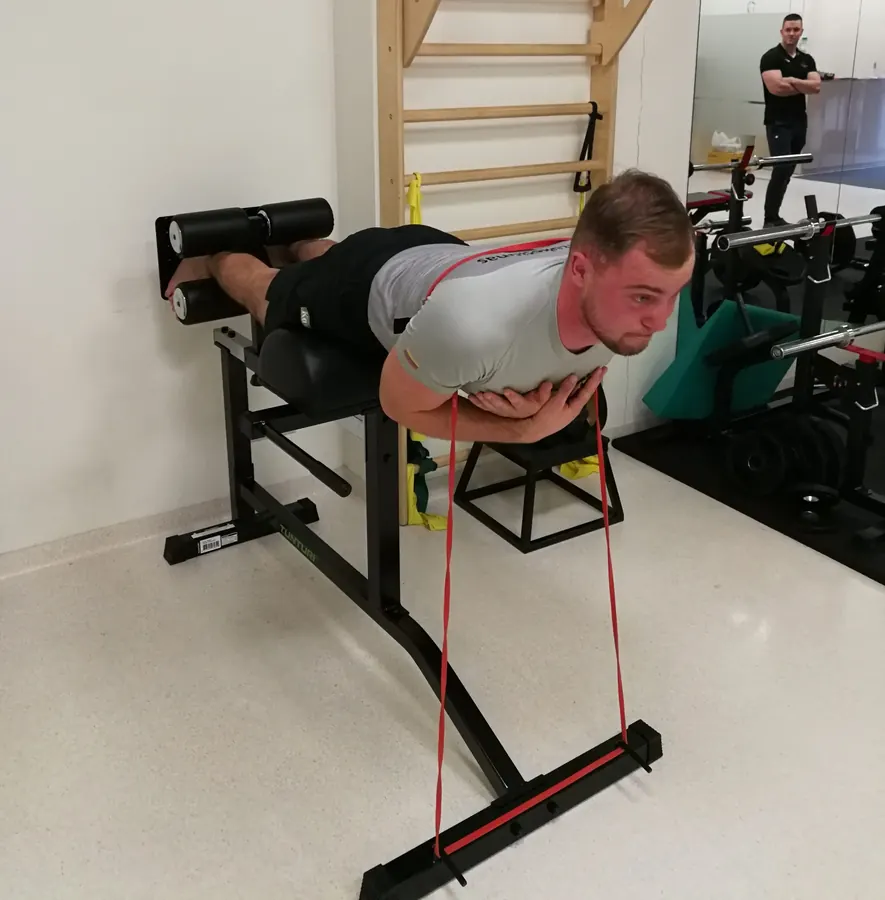 Treatment of injuriesWhen performing a certain physical action, sudden, severe pain in a specific place, which can later bother you repeatedly during sports training, games and even rest, swelling, inability to move the body...Read
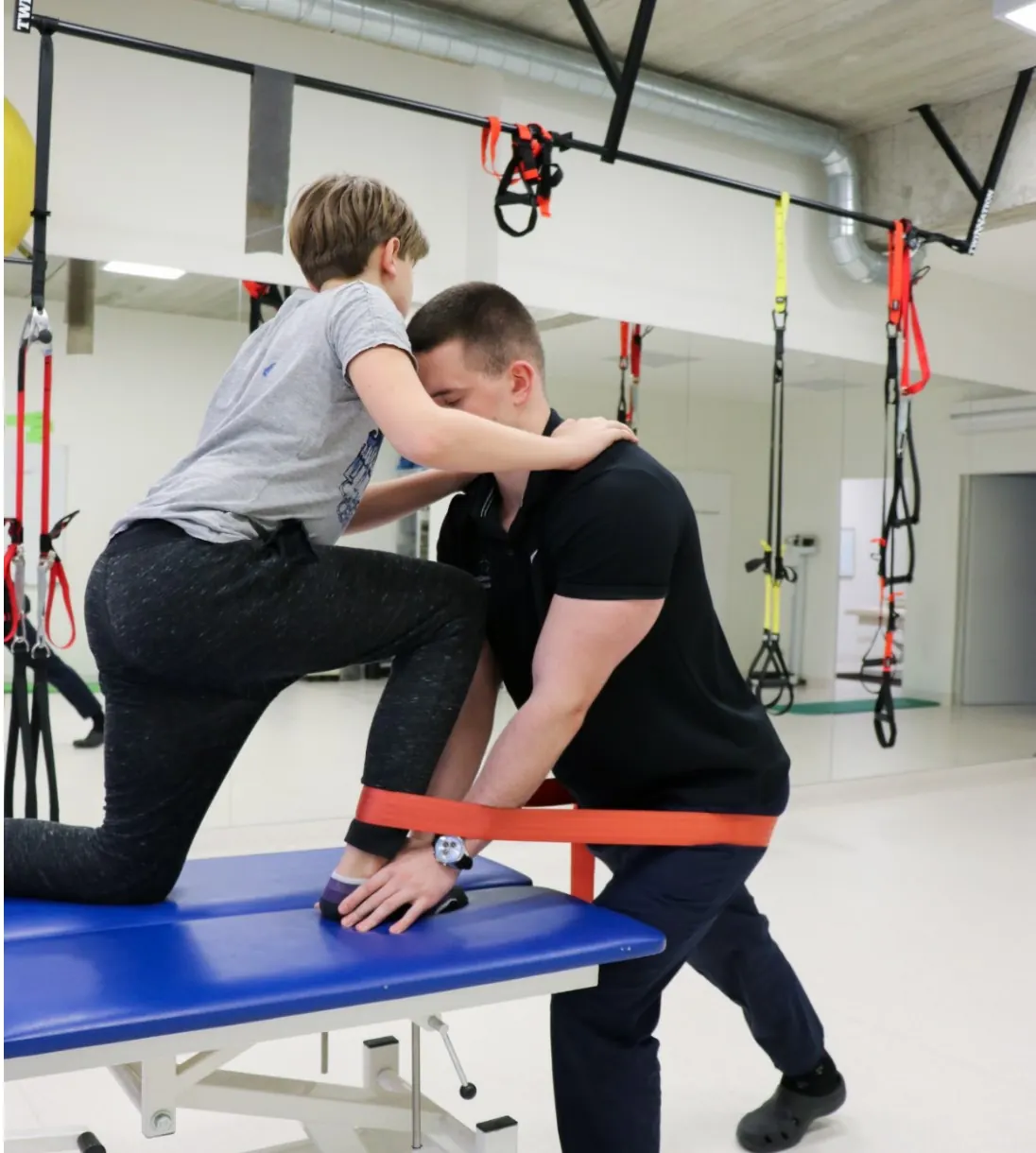 Rehabilitation after injuriesRehabilitation after injuries is one of the most important stages of treatment, which depends on the patient's ability to work, recovery of independence after various injuries. Research shows that the right physical therapy chosen after an injury can have...Read
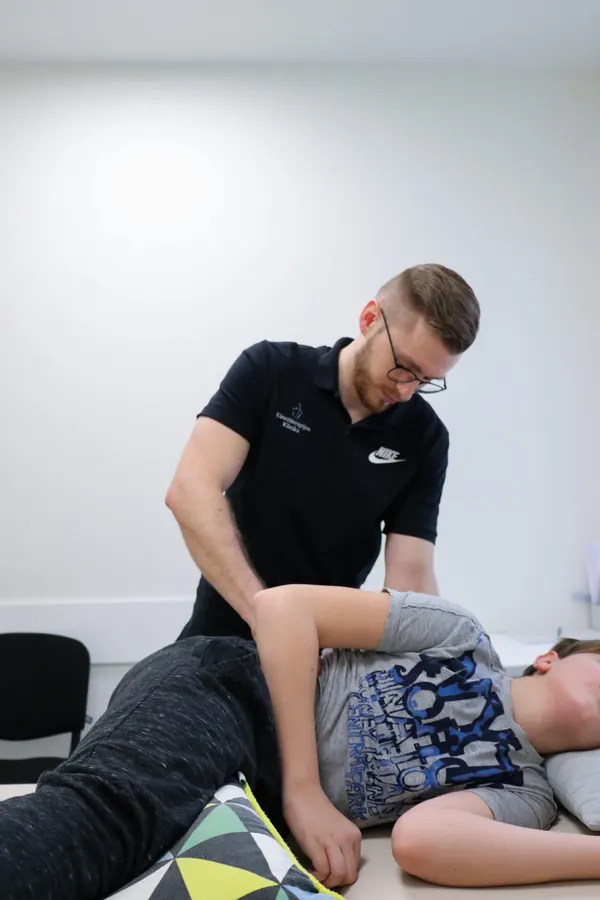 Rehabilitation after surgeryRehabilitation after surgery helps to recover faster, get rid of pain and regain freedom of movement - to restore impaired functions, so that the patient can return to normal daily life, sports...Read
 Fall preventionAccording to the WHO, falls are one of the major public health problems worldwide. As many as 37.3 million people worldwide fall each year and are injured badly enough to require...Read