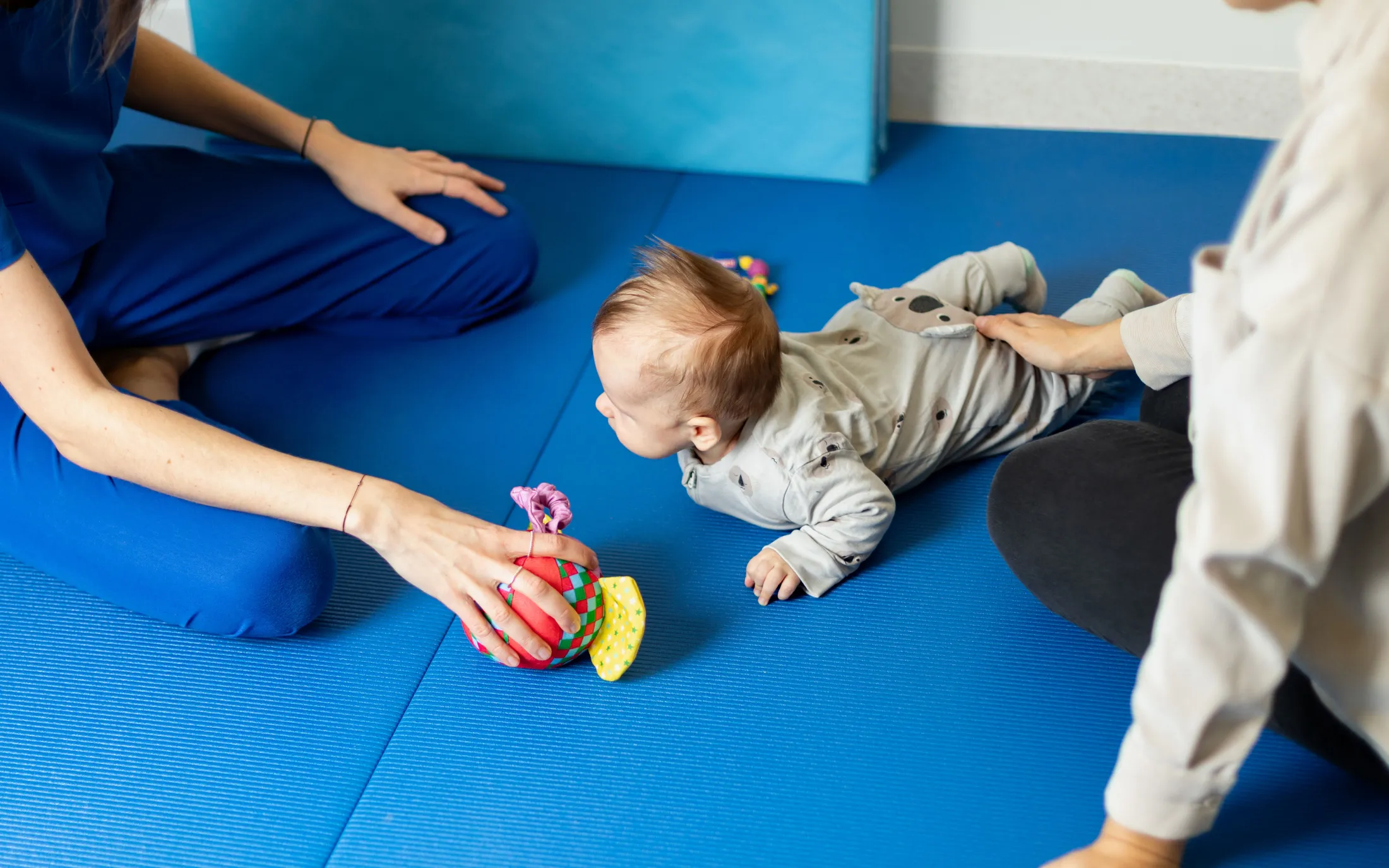
Physiotherapy
Movement therapy: active and passive techniques that help renew, improve and maintain the condition of muscles, bones, blood vessels and nervous systems.
- First visit
- 70 €
- Following visits
- 50 €
- Opening hours
- Mon-Fri 08:00-20:00
Prices
The first visit costs 70 €, following visits 50 €.
For babies and children the first visit costs 70 €, following visits 30 €.
| Service | Duration / quantity | Price |
|---|---|---|
| Initial physical therapist consultation: functional testing and treatment | 1 hour | 70 € |
| Initial consultation of a physiotherapist: functional examination and treatment + program of corrective exercises (€30) | 1 hour | 100 € |
| Individual physiotherapy / manual therapy | 40 minutes - 1 hour | 50 € |
| Individual physiotherapy / manual therapy package | 8 k. | 40 €/k. (€320) |
| Initial physical therapy consultation for infants and children: functional testing and treatment | 1 hour | 70 € |
| Physiotherapy for babies and children | 45 minutes | 30 € |
| Advanced physiotherapist consultation* | +20-30 min. | +20 € |
*Extended consultation fee is applied when regular visit time is extended due to additional needs of the patient: preparation of medical statements for insurance companies or workplaces, preparation of home wellness or therapeutic program or other additional procedures.
Physiotherapy - what is it?
Physiotherapy is one of the main means of rehabilitation, which is based on the fact that proper body movement can help renew, improve and maintain the condition of muscles, bones, blood vessels, nerves and other body systems. The term comes from the Greek: "kinesis" means movement and "therapeia" means treatment. Simply put, this is movement therapy. However, in English, the term "physiotherapy" is used to define movement therapy, while "physiotherapy" is used for the entire physiotherapy complex. In Lithuania, the word physiotherapy is used in both cases, so it should be remembered that not only active but also passive therapeutic techniques are used in physiotherapy.
A very large part of physiotherapy consists of patient education, with the help of which patients are taught not only how to move correctly, but also what habits and attitudes can be the main causes of pain and how to change them.
Types of physiotherapy
Active physiotherapy - treatment with physical exercises. It is considered one of the most effective rehabilitation methods that help the patient to regain a normal functional state: coordination, flexibility, muscle strength, stability, freedom of movement. During physiotherapy procedures, the functional condition of the patient's bones, muscles, heart vessels and other systems is improved and renewed by the movements chosen by the specialist. During active physiotherapy, walking, throwing, crawling, cycling exercises can be applied, as well as gymnastic exercises can be used to develop the support system, movement, and improve the function of external breathing. Positional therapy (using such aids as a table, patch, roller), dosed walking (slow, fast, very fast pace) and terrencourt (walking on uneven surfaces) are also applied. All these movements are performed by the patient himself.
Passive physiotherapy - therapeutic methods performed by a physiotherapist. Examples of passive physiotherapy include joint mobilization and manipulation, massage, taping and physiotherapy. It is used as an auxiliary tool to speed up the rehabilitation process (pain relief, reduction of muscle stiffness, improvement of blood circulation, metabolism). Also, passive physiotherapy is used when the patient cannot perform certain exercises with the help of his muscles, so they are performed for the patient by a physiotherapy specialist or special machines. During passive physiotherapy, the patient's health is strengthened, his mental and physical condition is improved, and his work capacity is increased by applying massage techniques. During mechanotherapy, with the help of special devices, weakened and difficult movements are revived - muscles and tendons are mechanically stretched, muscle tone is revived, posture defects are corrected.
Treatment of the patient using physiotherapy
When drawing up a patient's treatment plan, the physiotherapist takes into account both the general condition of the person, as well as the condition of individual organ systems and the patient's complaints. In today's physical therapy, a patient-centered treatment strategy is usually used, when the most important task of the physical therapist is to solve the patient's complaints, rather than the problems shown by medical or functional tests.
Physiotherapy includes restoring and maintaining good physical condition, reducing acute and chronic pain. It is also one of the most effective means of helping patients rehabilitate after injuries.
You can read more about sports physiotherapy here: Sports physiotherapy.
It is probably known to many that physiotherapy is used to treat:
- Chronic and acute pains;
- Postural and gait disorders;
- Damages and injuries of soft tissues, bones, joints, cartilages;
- Arthritis;
- Tendinopathy;
- Neurological disorders.
However, advanced and modern physiotherapy is also effective in dealing with:
- Dizziness/pain;
- tinnitus;
- Vertigo;
- Numbness of the limbs.
- And many other disorders and problems. You can find more about all the diseases and pathologies we treat here: What we treat.
Frequently asked questions
The first visit costs 70 €, following visits cost 50 €. All prices are listed in the price table on this page.
Initial physical therapist consultation: functional testing and treatment: 1 hour
Initial consultation of a physiotherapist: functional examination and treatment + program of corrective exercises (€30): 1 hour
Individual physiotherapy / manual therapy: 40 minutes - 1 hour
Initial physical therapy consultation for infants and children: functional testing and treatment: 1 hour
A. Juozapavičiaus pr. 31-8, Kaunas. Open Monday to Friday, 08:00-20:00; closed at weekends.
Book online through the manodaktaras.lt booking system or call +370 682 21 414.
Related services
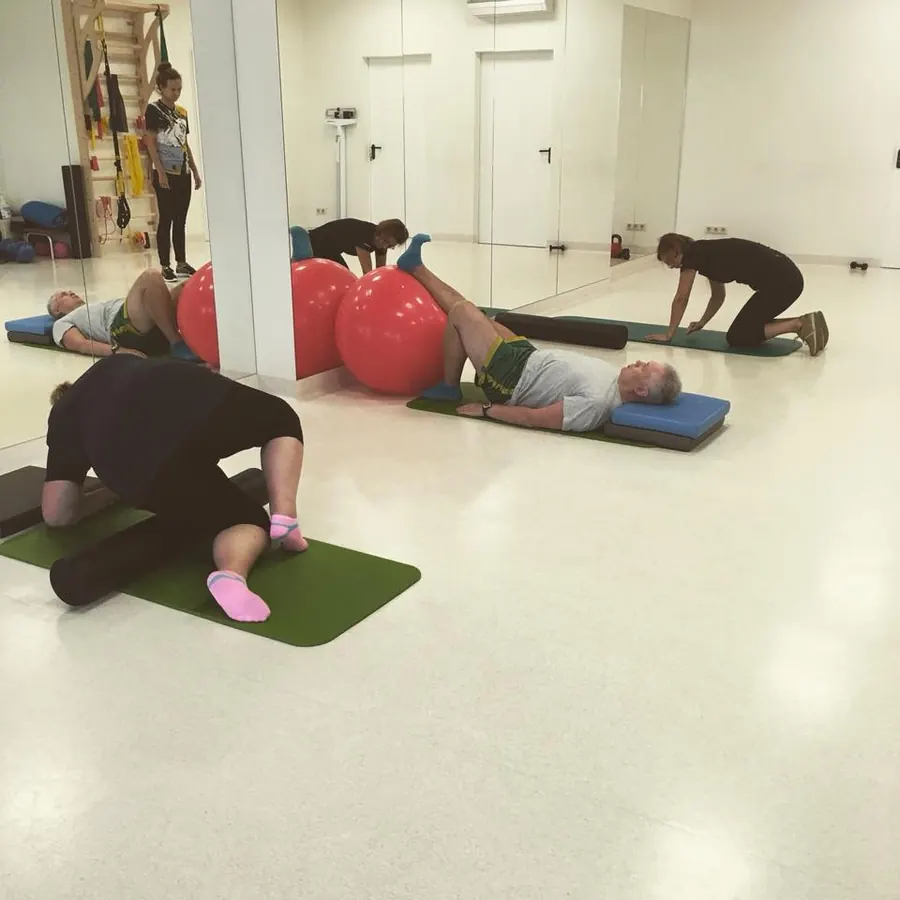
Therapeutic and wellness exercises
Therapeutic exercise to solve a specific problem, wellness exercise to prevent pain and improve well-being.
from 25 €Read more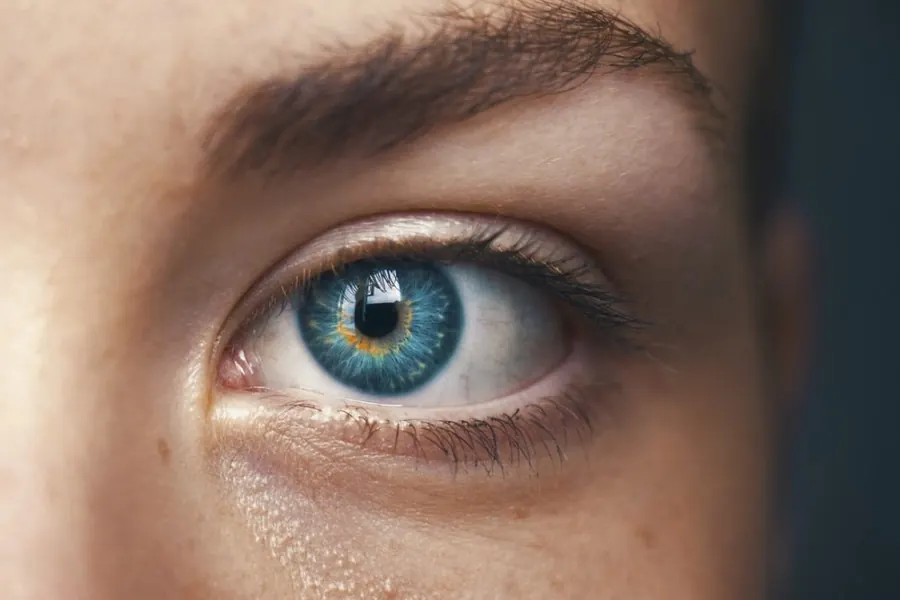
Eye exercises
Individual eye exercises for children, reducing eye strain and fatigue.
from 30 €Read more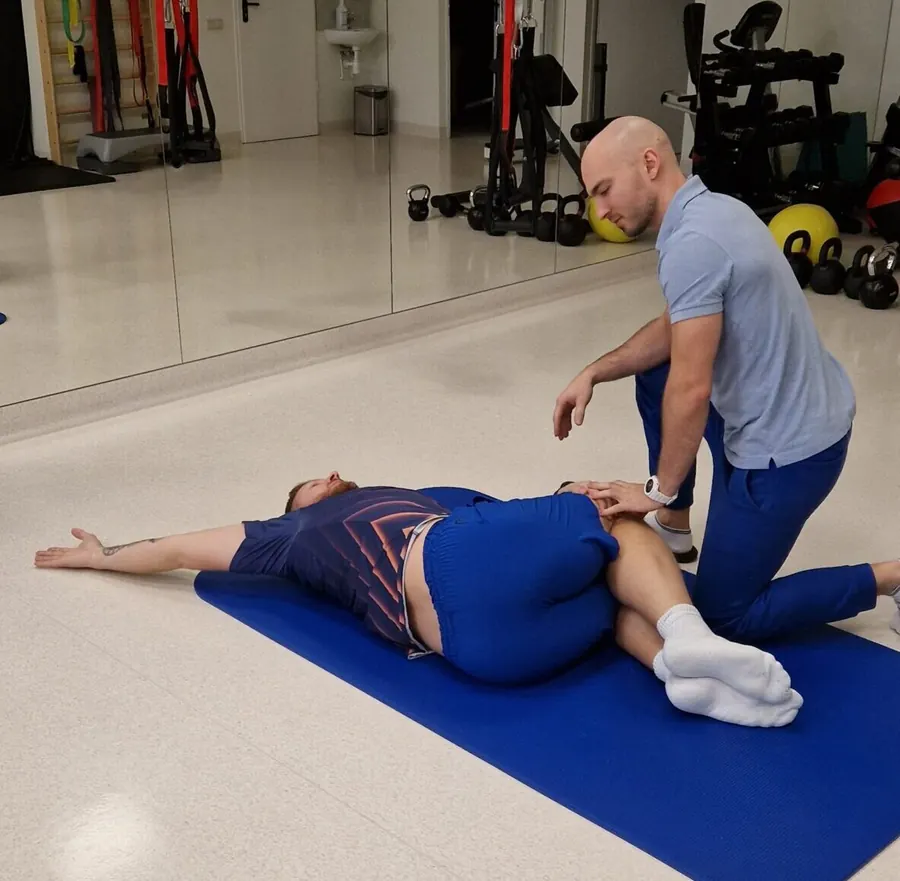
Exercise programs for treating back pain
A standardized exercise program for treating back pain.
from 30 €Read more