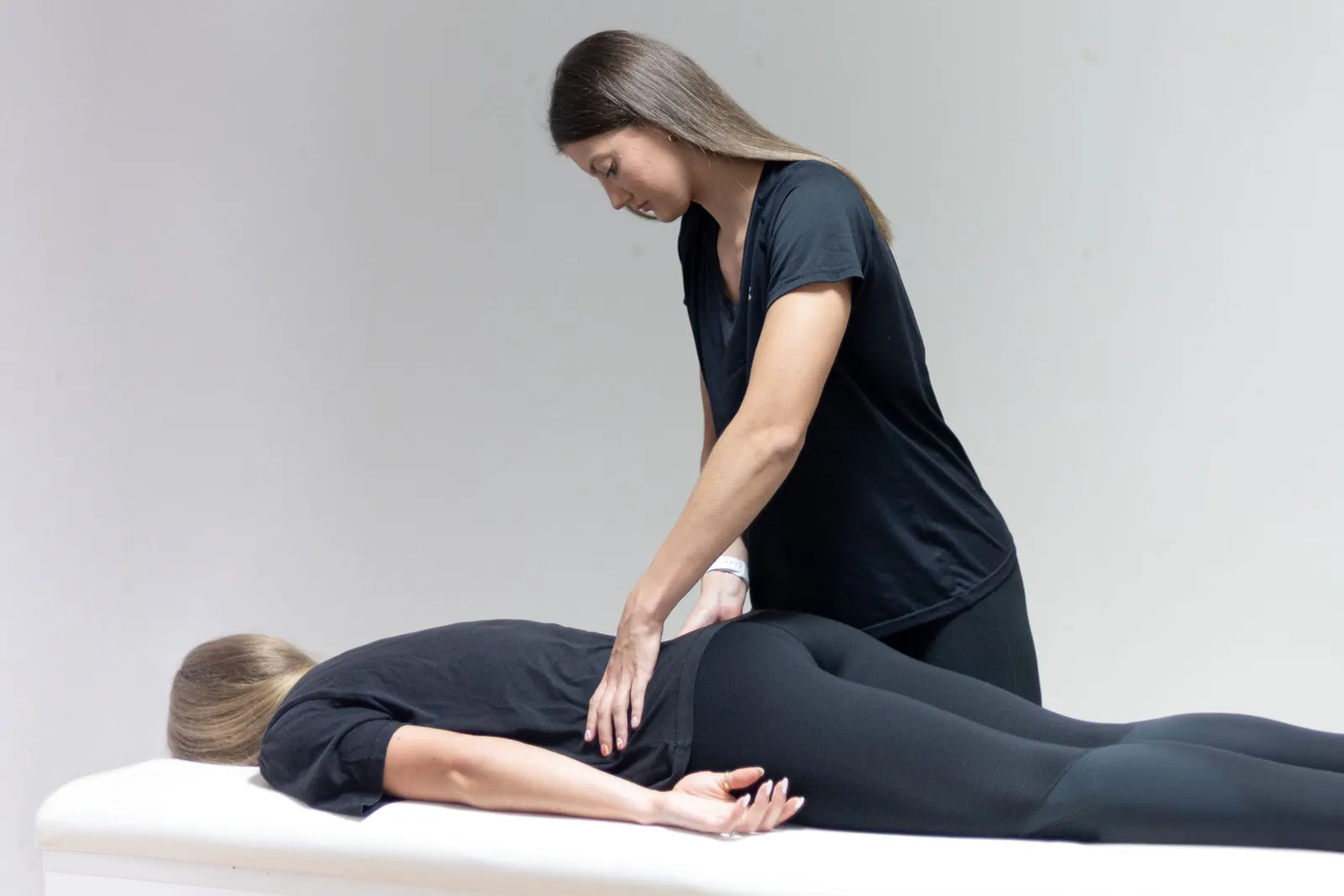
Back pain treatment
Back pain is the most common problem of the musculoskeletal system, and the second most common (after joint problems and osteoarthritis) for which health professionals are consulted (1). Back pain at least once a...
- Topic
- Back pain
- Reading time
- 37 min
Back pain is the most common problem of the musculoskeletal system, and the second most common (after joint problems and osteoarthritis) for which health professionals are consulted (1). Almost 80% of people experience back pain at least once in their lifetime (2). Back pain is a major cause of absenteeism and the most common reason people miss work. (3,4). Although this problem usually begins to bother you at the age of 30 and increases with age, it can equally affect teenagers and young people (2).
Back pain is a huge burden on the health care system, the state budget and private business, which suffers huge losses due to reduced employee productivity, missed working days, etc. (5). Therefore, the treatment of back pain at the Kineziterapijos Klinika in Kaunas is one of the most common reasons why patients turn to us.
Back pain types, types, factors:
Back pain is a very broad concept. In other words, each case of back pain, like each patient, is highly individual and different, so no two cases are exactly the same, just as no two people are exactly the same (6). In order to understand how to cure back pain and what is the prognosis of its treatment (i.e. how quickly it is expected to reduce or get rid of it at all), it is necessary to find out all its criteria - stage, exact location, nature, source, etiology (origin and cause), biomechanical mechanism and consequences. Otherwise, all back pains are treated with the same methods, which, unfortunately, are often used in clinical practice. There are still cases when, without properly examining all the criteria just mentioned, it is simply suggested to try pilates, yoga classes or to perform a certain, standard exercise. However, what helps one may harm another - both scientific and practical data show that this approach to treating back pain not only does not help, but often makes it worse (6). Meanwhile, back pain, when an in-depth examination is carried out, according to which the exact treatment is selected, is effective both in the short and long term (7, 8, 9).
So, very briefly about the parameters of pain that must be taken into account before applying the treatment:
Location of pain:
The back (or spine) is divided into 3 zones: upper (cervical), middle (thoracic) and lower (lumbar). The pelvis and sacrum area are also included in the back. So, although when talking about back pain (especially in the literature), the lower back is usually meant, but before starting to delve into the problem, it is necessary to specify the location of the pain.
Pain in the upper back (or in other words - neck pain), colloquially is also often called neck pain - pain that occurs in the area of the head and shoulder line (the first vertebra of the thoracic spine).
Middle back pain (pain in the thoracic spine), as well as interscapular pain - pain that occurs in the back area between the shoulder blade and the connection of the lower rib with the spine (the first vertebra of the lumbar spine). Pain between the shoulder blades and rib cage pain are often also classified as thoracic spine problems.
Lower back pain (otherwise known as lumbar pain) - occurs in the area between the lower rib and the top of the sacrum (upper part).
Pain in the pelvic area (otherwise sacrum, sacroiliac joint pain) - occurring below the lumbar spine - is often treated as back pain in the lumbar region, but its differentiation from lower back pain is necessary in order to expect an effective solution.
Back pain stage:
The duration and nature of back pain determines the stage of the pain. There are usually 3 stages of pain - acute, subacute and chronic pain. In the scientific literature, their duration varies slightly, but generally speaking, acute pain is usually defined as one that lasts from one day to a month, subacute from one to three months, and chronic as more than three months (10).
Acute pain occurs suddenly and is usually associated with trauma - bruise, sprain, etc. Acute pain - often intense, even completely limiting a person's movements. During it - chemical substances (mediators) are released, nociceptors are activated (colloquially called pain receptors, although this name is not completely accurate) and inflammation occurs (11). Pain itself can increase inflammation, and inflammation can increase pain, creating a vicious cycle (12). Therefore, nonsteroidal anti-inflammatory drugs are used to control pain and inflammation. Non-drug treatments such as cold and heat therapies can also be effective when applied at the right time and dose (11).
Chronic back pain is defined as pain that lasts longer than 3 months (10), although some sources define this term as 6 months (13). Chronic pain can be localized or diffuse (being felt in more than one area of the body) (14). Many chronic pain patients often complain of more than one type of pain - for example, back pain patients may also suffer from fibromyalgia (15). More than 67% of patients with chronic pain also suffer from co-occurring psychiatric disorders (15). In general, the treatment of chronic pain is quite often unsuccessful, especially when it comes to widespread chronic pain (14). Therefore, at the end of the eighties of the last century, the biopsychosocial approach to pain and its treatment began to become popular, which revealed that psychological and social factors have a significant influence on pain (especially chronic, but also acute and subacute) (16). This model reveals that psychological factors are directly related to the patient's problems and influence both the intensity of pain and the level of disability associated with it (17). However, although the potential influence of psychosocial factors on chronic pain is obvious, according to some researchers and experts in clinical practice, attention to them has started a new fashion to "write off" all problems of unclear origin to psychological and social problems. Dr. Ellen Thomson referred to such practices as "bankrupt competence" (18). Some scientific articles claim that all tissue damage heals within 6-12 weeks, so pain lasting longer than that has no anatomical basis and is related to psychosocial factors (19, 20). However, it is important to note that some structures, such as ligaments, take significantly longer to heal and may require more than a few years to fully heal (21).
Nature of back pain:
The nature of back pain can not only provide important information that will help to identify the source causing it and predict the course of treatment, but even in assigning suitable medications to relieve it (22). Often, back pain is treated as one general symptom, evaluating only its intensity, but not clarifying all its characteristics. In this case, the patient data collected during the study may not be accurate enough to select the appropriate treatment (23). More than 30 adjectives describing pain are described in the scientific literature, among which the most common descriptions are: sharp, throbbing, cramping, burning, dull, spreading (radiating), tingling, deep, superficial (22, 23).
The nature of pain can help differentiate both between pain-causing structures of the musculoskeletal system, such as muscle and skin (24), between neuropathic (pain resulting from damage or disease of the peripheral nervous system) and nociceptive (pain resulting from damage to the musculoskeletal system) (22), and between specific pathologies. For example, back pain radiating to the buttock or leg is usually (but not always) caused by radiculitis (inflammation of the nerve root) or referred pain (pain radiating from other structures such as the facet joints of the spine) (25). In the case of radiculitis, the perceived back pain is usually deep, burning, tingling, with numbness, clear location, more often felt in the distal part of the limb (below the knee or elbow). On the other hand, reflex pain is difficult to describe localization, tension-like and widespread (29).
In addition to the already described nature of pain, another very important characteristic of pain can be its constancy, i.e. whether the pain is constant (felt all the time), changes during the day or mechanical (caused by a certain movement) (23). Mechanical back pain is usually fairly easy to deal with and has a good prognosis. More about him in the treatment section. Pain that appears and disappears during the course of the day, but is not related to specific movements, may be the result of stress or other psychosocial factors(27). Meanwhile, constant back pain that persists throughout the day and does not change due to movement can indicate a serious systemic disease and is a sign that you should consult a doctor immediately.
Etiology of back pain - cause, origin and source
Probably for many, the source, cause, origin and biomechanical mechanism of pain may appear as synonyms. However, these are very important factors and all of them need to be clarified and clarified. In this context, the origin of back pain is the nature of the dysfunction or pathology due to which changes in the body cause pain (eg trauma or infection). And the source of pain is the body area, organ or other structure that causes pain. The reason - factors that led to the appearance of pain (for example: bad workplace ergonomics, weak certain muscle groups). And the biomechanical mechanism - what movements and loads caused the pain (for example: repeated lifting of heavy weights, falling on a certain part of the body).
The origin of back pain
There are many classifications, but most often the origin of back pain is classified into mechanical and non-mechanical (33). Mechanical pain - pain caused by loads (forces) acting on the body. As many as 97% of back pain cases are of mechanical origin (34). The remaining 3% is pain caused by various (rheumatic, digestive, cardiovascular, oncological, etc.) diseases or infections. In such a case, when back pain of a non-mechanical nature (independent of movements) or symptoms such as fever, unexplained or sudden weight loss, deficits of a neurological nature such as urinary and fecal incontinence, perineal numbness, impaired gait, etc., appear, it is necessary to quickly refer the patient to a neurosurgeon or other specialized doctor in a certain field (34, 35). However, since the majority of back pain cases - of mechanical origin - most of them - can be solved conservatively. In modern medicine, mechanical problems of the back are solved quite efficiently because, over the last few decades, both the understanding of the back structures and their innervation, as well as the clinical-physical examination of those structures with accurate differentiation, and instrumental tests such as magnetic resonance or ultrasound (34) have greatly improved. In comparison, not too long ago, many mechanical back problems were referred to as "non-specific" or simply "lumbar strains". Non-specific treatment of non-specific pain guarantees a zero result (7). Now, mechanical back pain is much more precisely described, specifying the affected structure, the mechanism of injury and the dominant directions of movement (34, 49, 50). A more specific test leads to a more specific and effective treatment. It is important to mention that back pain during pregnancy or back pain after giving birth to a large extent - can also be of mechanical origin (due to weakened and spasmed muscles, stretched and pressed soft tissues, internal organs, etc.) (33). Therefore, in some cases, usually even solving mechanical back pain can be a very big challenge.
Sources of back pain
As we have already mentioned, the good news is that the majority of cases of back pain are mechanical - i.e. related to the musculoskeletal system and movement rather than systemic diseases such as cancer, rheumatoid arthritis, visceral dysfunction or infection (7).
In general, the main sources of back pain can be divided into 4 groups (51):
- Somatic - its origin is the skin and the musculoskeletal system (i.e. bones, muscles, tendons and ligaments)
- Visceral - pain originating from the internal organs. It can be reflected in different parts of the body.
- Vasculogenic - pain that originates from blood vessels - is usually reflected in the back due to nociceptors located in the blood vessels.
- Neurogenic - pain caused by dysfunctions of the central and peripheral nervous system of the nervous system. Neurogenic pain includes neuropathic pain (arising from damage to nerve cords), central pain (arising from damage to the central nervous system, such as in stroke) and deafferentation pain (arising from impaired conduction of sensory nerve fibers, such as in phantom pain) (27).
Regarding specific structures and their pathologies, the most common causes of mechanical back pain are narrowing of the spinal canal (stenosis), herniated intervertebral discs, arthrosis of the facet joints, cracks and fractures of the spinal vertebrae, pain caused by the intervertebral disc, pain caused by the sacroiliac joint and muscles and fascia (34).
It is very important to mention that the source of back pain is not always in the same place where the pain is felt. This happens because of the reflection pain mentioned earlier. Reflected pain is a very common phenomenon in clinical practice, in which pain originating in one region (for example, neck or waist) manifests (reflects) in a more distant region (for example, arm or leg) (29). A classic example of this phenomenon is pain in the neck, shoulder area and back in the case of myocardial infarction (30). This happens because sensory nerve cords innervating different areas of the body intertwine in the posterior horn of the spinal cord. Higher nerve centers in the brain are unable to correctly interpret the location from which the signal is coming, and as a result, the pain is reflected in another area of the body (29).
Determining simple reflex pain is simple enough - if the painful area is not sensitive to touch - it can be assumed that the source of pain is not in the same place where the symptoms are felt. However, such reflex pain occurs quite rarely compared to reflex pain, which is accompanied by increased pain sensitivity (hyperalgesia) (29). The diagnosis of reflex pain with hyperalgesia is a major clinical challenge and requires a very detailed and accurate clinical examination.
Research has very well revealed how pain felt in the interscapula or even at the lower angle of the scapula can originate from the cervical facet joints (31) or intervertebral discs (32).
So, in summary, back pain very often originates from a completely different area than it is felt, and in order to determine the exact source of the pain, a very thorough clinical examination is necessary.
Causes and prevention of back pain
Regular movement is an essential factor in maintaining a healthy back. But like anything in life, both an excess of a positive factor and a lack of it can cause various disorders. From a biological point of view, loads experienced during movement are necessary to strengthen and strengthen soft tissues and bones, to ensure their regeneration and normal functioning. However, excessive loads - on the contrary, can cause their injuries and weakness. This phenomenon can be called a U-shaped curve, according to which both too much and too little amount of movement and loading increases the risk of back pain (36).
Movement and exercise not only strengthen the surrounding back muscles, which help maintain back health, but also provide metabolic support for the intervertebral discs, ligaments, and other tissues surrounding the spine (39). Inadequate metabolism is closely related to degeneration of spinal structures such as intervertebral discs, which can lead to the development of intervertebral disc herniation and signs and symptoms of back herniation (40). Because the structures of the back do not receive enough nutrients and the muscles weaken, too little physical activity is directly related to both back injuries, herniated intervertebral discs, and chronic back pain (41).
The World Health Organization (WHO) recommends at least 150-300 minutes of moderate-intensity exercise or 75-150 minutes of moderate-intensity exercise for adults aged 18-64 without serious illnesses or disorders. high-intensity aerobic training to maintain normal health. It is also recommended that at least 2 additional days of muscle strength training per week be used for additional benefits (38). However, it should be understood that this is only a very minimal and abstract plan of physical activity, which describes only the intensity of physical activity, but not its nature and quality. Also, such recommendations do not take into account each person individually. For a person who sits at work for 8-10 hours, whose main means of transportation is a car, and who lies in front of the TV in the evenings and weekends, these rates are far from the amount that is necessary to maintain optimal health.
The reverse option is excessive and inadequate physical exertion, regardless of opportunities. People with sedentary jobs often choose running to increase physical activity. Now that running is very popular, it doesn't take long to start training for a marathon to stay motivated and develop discipline. Running can be a very good form of physical activity, but for someone who has never run or has been running for a very long time, the intensity should be increased gradually. After starting to run often and increasing the load inadequately, after a few weeks or months both joint and back pain may start to appear. And this applies not only to running, but also to any other physical activity that causes a load that far exceeds human capabilities - both weightlifting, basketball, outdoor tennis, etc.
Also, if a person works in a job during which he is often bent over, for example: a plumber, a mechanic, or the same sedentary job, then 150 minutes a week of physical exertion, while being bent over, like e.g. mentioned by the bicycle (43), will not guarantee health and probably will not save you from back pain (44).
In general, lifestyle and occupation have a very large influence on back pain and back health. Occupations that require constant, uniform movements, especially with loads, such as lifting boxes, significantly increase the risk of back pain. The main factors leading to back pain and overuse injuries are (6):
- Constant, repetitive, uniform movements, especially with additional load
- Long static positions, when the body stays in one position without moving, also especially with a load
- High cumulative load on the back and its structures (per day, week, month)
Conversely, people who work in jobs that require a variety of movements have the lowest risk of back pain and damage (41). In order to avoid back pain, especially those who do heavy physical work, the appropriate strength of the muscles of the torso and the ability to withstand loads are required. Adequate rest and recovery are necessary for proper adaptation to occur and for the body to develop these characteristics (42). Therefore, as we mentioned earlier, the load must not be too low to give enough stimulus for adaptation to occur, but at the same time not too high to be sufficient for rest adaptation to occur.
Therefore, physical activity recommendations for each person must also be individual, both in terms of the intensity and duration of physical activity, as well as its nature, taking into account all the factors and factors related to the individual person.
Determining the cause of back pain
Finding out and eliminating the exact cause of pain and the stimulus that causes and constantly aggravates that pain, ensuring that the stimulus does not occur during therapy, is the first and essential step that is necessary for an effective solution to the back problem (37). In order to find out the cause of the pain, first of all, a detailed anamnesis of the patient is necessary - a survey. During it, all factors, such as past injuries, diseases, muscle overload, general physical health, lifestyle, etc., which may influence the occurrence of pain, are clarified.
Later, during the functional physical examination, the pain mechanism is determined - the movements that cause the pain and why that pain occurs - an attempt is made to determine the origin and source of the pain. Also, what movements and positions relieve pain and improve the situation.
When trying to determine the cause of back pain, it is necessary to evaluate all the above-mentioned factors - the nature, duration, intensity, position of the pain, as well as to evaluate the general physical condition of the person, muscle balance - overstretched, weak and inactive muscles, eating habits, sleep quality, lifestyle and pace, etc. Psychological stress increases the risk of back pain (68). Poor sleep quality - exactly the same (69). Smoking slows down the repair and healing of nerve tissue and therefore increases the occurrence of causes of back pain such as radiculitis (70). Therefore, it is necessary to find out all factors related to pain. Perhaps a person will not change these habits, but he must at least be aware of their influence and the risks they cause. Back pain can occur when lifting a heavy object. However, lifting an object is not necessarily the cause of the pain. Maybe it's an imbalance in the core muscles, maybe it's poor general physical or intervertebral disc health, or maybe it's very high stress at work and poor sleep quality. Therefore, it is important to appreciate not only the fact itself, but also what lies behind it. Only after finding out all these factors can the most suitable means to solve the pain be selected.
Back pain - Could COVID be the cause of the pain?
Cases of back pain have increased significantly during the COVID-19 pandemic. In a common case, back pain intensified not only in people who already felt it before contracting the COVID-19 virus, but also occurred in those who did not experience back pain before (46). Although the main symptoms of COVID-19 are fever, fatigue, coughing and loss of smell and taste, musculoskeletal pain is also a fairly common symptom of COVID-19 (47). The incidence of neck and back pain has increased significantly during the pandemic, and the intensity of these pains has also increased, and the effects often persist even after the infection clears (48). There is a chance that the COVID-19 virus itself can trigger immune reactions in the body that can trigger and contribute to back pain. But probably the main influence that determined the wider occurrence of back pain during the pandemic is reduced physical activity, increased time spent sitting, without proper ergonomic position when working from home, increased stress and dissatisfaction levels, lack of social contact, etc. (46). The good news is that with the help of proper movement and regular movement and physical activity, back pain caused by the Covid-19 virus can be significantly reduced or completely cured.
Back pain - should I take a photo?
In the last 30 years, medical equipment has developed a lot, and as a result, radiological back examinations, or back education in popular terms, have become very popular. However, as early as 25 years ago, scientific research began to question whether X-ray, magnetic resonance, and computed tomography images really reflect patients' symptoms (52). Subsequent studies have further elevated this dilemma, and large-sample systematic reviews have concluded that MRI findings are misattributed to the mechanisms of low back pain and result in patients receiving inappropriate treatment, often prescribing surgery when it is not warranted (53,56). Research has concluded that back imaging does not improve the course and outcome of rehabilitation, except in cases of very severe neuropathic back pain (55). This is confirmed by the latest scientific research. One recent scientific review concluded that imaging for back pain does not improve treatment outcomes, prolongs sick leave, increases fear of movement, and leads to unnecessary invasive treatments such as injections and surgery (56).
So, to put it simply, in the event of a serious injury, when there is back pain that moves to the leg, constant back pain at night, when conservative treatment measures do not produce any tangible results in 4-6 weeks, even worse, if urinary incontinence occurs, then a back photo is necessary, but before that you should still consult a doctor. However, if you start to feel back pain spontaneously, if it is easily stretched or overworked, even if it is a sudden back pain, you should definitely not lighten your back. As scientific research shows, if the back is scanned and some changes are found there, the pain automatically increases in the person and the fear of movement appears. And it has nothing to do with human cowardice. It is simply a natural protective reaction of the nervous system. Most importantly, research shows that more than 50% of people who do not experience any symptoms in their backs have some kind of changes in the spine, including signs of a herniated disc (57). It is important to understand that small changes in the spine usually do not cause back pain, and even when they are present, back pain is felt for completely different reasons.
Medicines for back pain - when to take and when to abstain
In an acute case, such as a sprain or back injury, there may be a severe flare-up of symptoms for a couple of days. This happens due to inflammatory processes, the symptoms of which can be felt even at rest. Back pain can then be felt while lying down, even at night, quite often the back pain also worsens when breathing, especially, for example, when the intercostal nerve is bruised. Of course, in the event of an injury, first of all, it is necessary to consult a doctor, in order to make sure that there are no bone fractures, soft tissue tears, etc. In such cases, anti-inflammatories are actually very effective in helping to control pain and inflammation. After taking the medicine for 3-7 days, the symptoms gradually decrease, and then the solution of the problem can be continued with the help of physiotherapy, or sometimes they even go away on their own.
However, back pain medications are often used in a completely different context. Unfortunately, back pain ampoules are often a daily companion and the fight against pain lasts for years. In addition to the usual injections of anti-inflammatory drugs into the buttock, there are more aggressive means of administering drugs into the spine, the most popular of which are nerve blocks and epidural injections. When chronic back pain prevails, medication should not be the primary, let alone the only, solution to the problem. Except in very exceptional cases. For example, when numbness is felt in the foot and conservative treatment does not give any tangible result, spinal injections can be considered as one of the treatment measures. In fact, both epidural injections and nerve blocks can be effective in some cases (59, 60). However, even in those cases, they should be used only temporarily. However, injections are prescribed far too often in today's medicine (58). When it comes to spinal injections, both side effects and risks should be considered, as well as their effectiveness. Often, back pain after epidural injection or nerve block not only persists, but also does not decrease completely (61).
Therefore, it is very important to understand that if the problem is constantly recurring, suppressing the pain will not solve it. And in some cases, the effect can be the opposite, because after suppressing the pain, the problem area is further irritated, so after the drug's effect ends, the pain can only worsen. Therefore, generally speaking, in the case of chronic pain, it is first necessary to find out the cause of the pain and the main stimulus and eliminate them. Then choose the most suitable means to solve the problem. If it's not a one-time back pain caused by an injury or overload, you shouldn't expect medicines to solve all problems.
Back pain treatment in Kaunas, Kineziterapijos Klinika
Kineziterapijos Klinika in Kaunas uses a wide range of tools for the treatment of back pain. We try to use tools whose effectiveness is most based on scientific research. But we also rely on our clinical experience. Some back pain treatments (such as cupping therapy or dry needling therapy) do not have a strong scientific basis for their effectiveness, but they work well in certain specific cases. Therefore, when treating back pain, we combine scientific information with our clinical experience and knowledge and skills of anatomy, neurology, neurophysiology.
When suffering from back pain, the doctor or physiotherapist first of all tries to find out the cause of the pain and all the factors that contribute to it. No two patients are the same, and therefore no two treatments are the same. Taking into account the patient and all factors related to him, the treatment of back pain in Kaunas is carried out by combining:
- In physiotherapy or in other words - movement therapy - we find out the most aggravating movements and daily activities and select exercises or positions that relieve pain and relieve irritated structures. We also identify weak and overstretched muscle groups and create a physical therapy plan to help restore muscle imbalances and ensure the problem does not reoccur.
- Manual therapy - including all its forms - joint mobilization, manipulation, soft tissue release techniques, etc. Manual therapy is especially effective in the acute pain stage, when pain relief is the main priority.
- Functional Neurology - Functional neurology can effectively treat a wide range of functional problems, including dysfunctions of the musculoskeletal, endocrine, cardiovascular, and emotional systems. In most cases, the cause of pain is not a structural change in the skeletal-muscular or nervous system, but simply a dysfunction in the nervous system. With the help of functional neurology, these dysfunctions can be corrected. In other words, functional neurology is used to correct and treat the components of the "operating system" and "software" - the mis-enrolled and residual programs in the nervous system.
- Massage - various forms of massage, including therapeutic, sports and classical, and various massage techniques - deep tissue, myofascial release, trigger point, sports, lymphatic drainage, scar tissue massage, etc. A different form of massage will be used to treat different causes of back pain. An athlete who develops back pain due to excessive physical exertion will receive a restorative sports massage. Meanwhile, a massage that activates trigger points and blood circulation will be used for a person who has been sitting at the computer all day and has not moved much. Massage should not be the only way to deal with back pain, because then it only encourages the passivity of the person even more. However, as an auxiliary measure, it can be quite effective in relieving back pain.
- Transcutaneous electrical nerve stimulation (TENS) is used for pain relief. TENS has been found to be an effective tool for pain relief and is recommended for use in reducing the use of pain medication.
- Functional electrostimulation (FES) is applied alone or in combination with other treatment methods and is used to strengthen muscles.
- Laser therapy - usually results in a short-term improvement and only when a higher laser dose is applied and the duration of the patients' pain is shorter.
- Acupuncture and dry needling therapy. The validity of acupuncture in scientific research is not unequivocal. A number of scientific studies are skeptical about its effectiveness (70). However, sometimes the results of scientific research do not fully reflect the real situation in solving back pain problems. Acupuncture is known to have many physiological effects, including improving blood circulation, releasing natural analgesics and relieving pain, relaxing spasmed muscles, regulating the tone of the autonomic nervous system, etc. Therefore, in certain cases, acupuncture can be effective in solving back pain and its effect should not be denied
- Auxiliary measures - cupping therapy, taping, compressive measures.
Sources
- St Sauver, J.L., Warner, D.O., Yawn, B.P., Jacobson, D.J., McGree, M.E., Pankratz, J.J., Melton, L.J., 3rd, Roger, V.L., Ebbert, J.O., & Rocca, W.A. (2013). Why patients visit their doctors: assessing the most prevalent conditions in a defined American population. Mayo Clinic proceedings, 88(1), 56-67. https://doi.org/10.1016/j.mayocp.2012.08.020
- Rubin D. I. (2007). Epidemiology and risk factors for spine pain. Neurologic clinics, 25(2), 353-371. https://doi.org/10.1016/j.ncl.2007.01.004
- Hoy, D., March, L., Brooks, P., Blyth, F., Woolf, A., Bain, C., Williams, G., Smith, E., Vos, T., Barendregt, J., Murray, C., Burstein, R., & Buchbinder, R. (2014). The global burden of low back pain: estimates from the Global Burden of Disease 2010 study. Annals of the rheumatic diseases, 73(6), 968-974. https://doi.org/10.1136/annrheumdis-2013-204428
- Vällfors B. (1985). Acute, subacute and chronic low back pain: clinical symptoms, absenteeism and working environment. Scandinavian journal of rehabilitation medicine. Supplement, 11, 1-98.
- Katz, J. N. (2006). Lumbar disc disorders and low-back pain: socioeconomic factors and consequences. The Journal of bone and joint surgery. American volume, 88 Suppl 2, 21-24. https://doi.org/10.2106/JBJS.E.01273
- McGill, S. (2015). Low back disorders: Evidence-based prevention and rehabilitation. Human Kinetics.
- Fersum, K.V., Dankaerts, W., and O'Sullivan, P.B. (2009) Integration of sub-classification strategies in RCT's evaluating manual therapy treatment and exercise therapy for non-specific chronic low back pain: A systematic review. British Journal of Sports Medicine. https://doi:10.1136/bjsm.2009.063289
- Brennan, G.P., Fritz, J.M., Hunter, S.J., Thackeray, A., Delitto, A., and Erhard, R.E. (2006) Identifying subgroups of patients with acute/subacute "nonspecific" low back pain: Results of a randomized clinical trial. Spine, 31(6): 623-631.
- Fritz, J.M., Cleland, J.A., and Childs, J.D. (2007) Subgrouping patients with low back pain: Evolution of a classification approach to physical therapy. Journal of Orthopedic & Sports Physical Therapy, 37(6): 290-302.
- Banerjee, S., & Argáez, C. (2019). Multidisciplinary Treatment Programs for Patients with Acute or Subacute Pain: A Review of Clinical Effectiveness, Cost-Effectiveness, and Guidelines. Canadian Agency for Drugs and Technologies in Health.
- Johnson, Q., Borsheski, R.R., & Reeves-Viets, J.L. (2013). Pain management mini-series. Part I. A review of management of acute pain. Missouri Medicine, 110(1), 74-79.
- Souter AJ, Fredman B, White PF. (1994) Controversies in the perioperative Use of nonsteroidal antiinflammatory drugs. Anesthesia Analgesia. 79(6):1178-90
- Russo, MD, C.M., & Brose, MD, W.G. (1998). CHRONIC PAIN. Annual Review of Medicine, 49(1), 123-133. doi:10.1146/annurev.med.49.1.123
- Hardt, J., Jacobsen, C., Goldberg, J., Nickel, R., & Buchwald, D. (2008). Prevalence of Chronic Pain in a Representative Sample in the United States. Pain Medicine, 9(7), 803-812. doi:10.1111/j.1526-4637.2008.00425.x
- Dydyk, A. M., & Conermann, T. (2020). Chronic Pain. In StatPearls. StatPearls Publishing.
- Linton, S.J. (2000). A Review of Psychological Risk Factors in Back and Neck Pain. Spine, 25(9), 1148-1156. doi:10.1097/00007632-200005010-00017
- O'Sullivan, P. B., & Beales, D. J. (2007). Diagnosis and classification of pelvic girdle pain disorders-Part 1: A mechanism based approach within a biopsychosocial framework. Manual Therapy, 12(2), 86-97. doi:10.1016/j.math.2007.02.001
- Thompson, E.N. (1997) Back pain: Bankrupt expertise and new directions. Journal of Pain Research Management, 2: 195-196.
- Fordyce, W.E. (Ed.) (1995) Back pain in the workplace. Seattle: IASP Press.
- Spitzer, W.O. (1993) Low back pain in the workplace: Attainable benefits not achieved [Editorial]. British Journal of Industrial Medicine, 50: 385-388.
- Woo, S.L.-Y., Gomez, M.A., and Akeson, W.H. (1985) Mechanical behaviors of soft tissues: Measurements, modifications, injuries, and treatment. In: Nahum, H.M., and Melvin, J. (Eds.), Biomechanics
- Jensen, M.P., Dworkin, R.H., Gammaitoni, A.R., Olaleye, D.O., Oleka, N., & Galer, B.S. (2005). Assessment of pain quality in chronic neuropathic and nociceptive pain clinical trials with the Neuropathic Pain Scale. The Journal of Pain, 6(2), 98-106. doi:10.1016/j.jpain.2004.11.002
- Jensen, M.P., Johnson, L.E., Gertz, K.J., Galer, B.S., & Gammaitoni, A.R. (2013). The words patients use to describe chronic pain: Implications for measuring pain quality. Pain, 154(12), 2722-2728. doi:10.1016/j.pain.2013.08.003
- Chang, P.F., Arendt-Nielsen, L., Graven-Nielsen, T., Svensson, P., & Chen, A.C. . (2004). Comparative EEG activation to skin pain and muscle pain induced by capsaicin injection. International Journal of Psychophysiology, 51(2), 117-126. doi:10.1016/j.ijpsycho.2003.01.001
- Shim, D.M., Kim, T.G., Koo, J.S., Kwon, Y.H., & Kim, C.S. (2019). Is It Radiculopathy or Referred Pain? Buttock Pain in Spinal Stenosis Patients. Clinics in orthopedic surgery, 11(1), 89-94. https://doi.org/10.4055/cios.2019.11.1.89
- Edwards, R.R., Dworkin, R.H., Sullivan, M.D., Turk, D.C., & Wasan, A.D. (2016). The Role of Psychosocial Processes in the Development and Maintenance of Chronic Pain. The journal of pain : official journal of the American Pain Society, 17(9 Suppl), T70-T92. https://doi.org/10.1016/j.jpain.2016.01.001
- Bowsher, D. (1991). Neurogenic pain syndromes and their management. British Medical Bulletin, 47(3), 644-666. doi:10.1093/oxfordjournals.bmb.a072498
- Vecchiet, L., Vecchiet, J., & Giamberardino, M.A. (1999). Referred muscle pain: Clinical and pathophysiologic aspects. Current Review of Pain, 3(6), 489-498. doi:10.1007/s11916-999-0077-y
- Arendt-Nielsen, L., Fernández-de-Las-Peñas, C., & Graven-Nielsen, T. (2011). Basic aspects of musculoskeletal pain: from acute to chronic pain. The Journal of manual & manipulative therapy, 19(4), 186-193. https://doi.org/10.1179/106698111X13129729551903
- Chen JS, Kandle PF, Murray I, et al. Physiology, Pa. [Updated 2020 Jul 16]. In: StatPearls [Internet]. Treasure Island (FL): StatPearls Publishing; 2020 Jan-. Available from: https://www.ncbi.nlm.nih.gov/books/NBK539789/
- Aprill, C., Dwyer, A., & Bogduk, N. (1990). Cervical zygapophyseal joint pain patterns. II: A clinical evaluation. Spine, 15(6), 458-461. https://doi.org/10.1097/00007632-199006000-00005
- Cloward, R.B. (1959) Cervical Discography. A Contribution to the Etiology and Mechanism of Neck, Shoulder, and Arm Pain. Annals of Surgery, 150, 1052-1064. http://dx.doi.org/10.1097/00000658-195912000-00013
- Casiano VE, Dydyk AM, Varacallo M. Back Pain. [Updated 2020 Jul 10]. In: StatPearls [Internet]. Treasure Island (FL): StatPearls Publishing; 2020 Jan-. Available from: https://www.ncbi.nlm.nih.gov/books/NBK538173/
- Chien, J.J., & Bajwa, Z.H. (2008). What is mechanical back pain and how best to treat it? Current Pain and Headache Reports, 12(6), 406-411. doi:10.1007/s11916-008-0069-3
- Urits, I., Burshtein, A., Sharma, M., Testa, L., Gold, P. A., Orhurhu, V., … Kaye, A. D. (2019). Low Back Pain, a Comprehensive Review: Pathophysiology, Diagnosis, and Treatment. Current Pain and Headache Reports, 23(3). doi:10.1007/s11916-019-0757-1
- Henewer, H., Vanhees, L., & Picavet, S.J.H. (2009). Physical activity and low back pain: A U-shaped relationship? Pain, 143(1), 21-25. doi:10.1016/j.pain.2008.12.033
- Ikeda, D., and McGill, S.M. (2012) Can altering motions, postures and loads provide immediate low back pain relief: A study of four cases investigating spine load, posture and stability. Spine, 37(23):E1469-E1475.
- WHO Guidelines on Physical Activity and Sedentary Behaviour. Geneva: World Health Organization; 2020. Available from: https://www.ncbi.nlm.nih.gov/books/NBK566045/
- Holm, S., and Nachemson, A. (1983) Variations in the nutrition of the canine intervertebral disc induced by exercise. Spine, 8: 866-874.
- Buckwalter, J.A. (1995) Spine update: Aging and degeneration of the human intervertebral disc. Spine, 20: 1307-1314.
- Videman, T., Nurminen, M., and Troup, J.D. (1990) Lumbar spinal pathology in cadaveric material in relation to history of back pain, occupation and physical loading. Spine, 15: 728-740.
- Marras, W.S., Ferguson, S.A., Lavender, S.A., Splittstoesser, R.E., and Yang, G. (2013) Cumulative spine loading and clinically meaningful declines in low back function. Human Factors, 56(1): 29-43.
- Burnett AF, Cornelius MW, Dankaerts W, O’Sullivan PB (2004). Spinal kinematics and trunk muscle activity in cyclists: a comparison between healthy controls and non-specific chronic low back pain subjects-a pilot investigation. Man Ther. Nov;9(4):211-9.
- Van Hoof W, Volkaerts K, O'Sullivan K, Verschueren S, Dankaerts W. (2012) Comparing lower lumbar kinematics in cyclists with low back pain (flexion pattern) versus asymptomatic controls-field study using a wireless posture monitoring system.cMan Ther. 2012 Aug;17(4):312-7.
- Mohammad Ali, Atia Sharmin Bonna, Abu-sufian Sarkar, Md. Ariful Islam, Nur-A-Safrina Rahman. (2022) SARS-CoV-2 infection is associated with low back pain: findings from a community-based case-control study, International Journal of Infectious Diseases, Volume 122, https://doi.org/10.1016/j.ijid.2022.05.050.
- Papalia, G.F., Petrucci, G., Russo, F., Ambrosio, L., Vadalà, G., Iavicoli, S., Papalia, R., & Denaro, V. (2022). COVID-19 Pandemic Increases the Impact of Low Back Pain: A Systematic Review and Metaanalysis. International journal of environmental research and public health, 19(8), 4599. https://doi.org/10.3390/ijerph19084599
- Tang, D., Comish, P., & Kang, R. (2020). The hallmarks of the COVID-19 disease. PLoS pathogens, 16(5), e1008536. https://doi.org/10.1371/journal.ppat.1008536
- Şahin, T., Ayyildiz, A., Gencer-Atalay, K., Akgün, C., Özdemir, H.M., & Kuran, B. (2021). Pain Symptoms in COVID-19. American journal of physical medicine & rehabilitation, 100(4), 307-312. https://doi.org/10.1097/PHM.0000000000001699
- May, S., & Aina, A. (2012). Centralization and directional preference: a systematic review. Manual therapy, 17(6), 497-506. https://doi.org/10.1016/j.math.2012.05.003
- Zaremski, J.L., Wasser, J.G., & Vincent, H.K. (2017). Mechanisms and Treatments for Shoulder Injuries in Overhead Throwing Athletes. Current sports medicine reports, 16(3), 179-188. https://doi.org/10.1249/JSR.0000000000000361
- Dreisinger, T.E., & Nelson, B. (1996). Management of back pain in athletes. Sports medicine (Auckland, N.Z.), 21(4), 313-320. https://doi.org/10.2165/00007256-199621040-00006
- Savage, R.A., Whitehouse, G.H., and Roberts, N. (1997) The relationship between the magnetic resonance imaging appearance of the lumbar spine and low back pain, age and occupation in males. European Spine Journal, 6: 106-114.
- Wassenaar, M., van Rijn, R.M., van Tulder, M.W., et al. (2012) Magnetic resonance imaging for diagnosing lumbar spinal pathology in adult patients with low back pain or sciatica: A diagnostic systematic review. European Spine Journal, 21(2): 220-227.
- Zhao, F., Pollintine, P., Hole, B.D., Dolan, P., and Adams, M.A. (2005) Discogenic origins of spine instability. Spine, 30: 2621-2630.
- Chou, R., Deyo, R.A., and Jarvik, J.G. (2012) Appropriate use of lumbar imaging for evaluation of low back pain. Radiologic Clinics of North America, 50(4):569.
- Lemmers, G.P.G., van Lankveld, W., Westert, G.P., van der Wees, P.J., & Staal, J.B. (2019). Imaging versus no imaging for low back pain: a systematic review, measuring costs, healthcare utilization and absence from work. European spine journal : official publication of the European Spine Society, the European Spinal Deformity Society, and the European Section of the Cervical Spine Research Society, 28(5), 937-950. https://doi.org/10.1007/s00586-019-05918-1
- Brinjikji, W., Luetmer, P. H., Comstock, B., Bresnahan, B. W., Chen, L. E., Deyo, R. A., Halabi, S., Turner, J. A., Avins, A. L., James, K., Wald, J. T., Kallmes, D. F., & Jarvik, J. G. (2015). Systematic literature review of imaging features of spinal degeneration in asymptomatic populations. AJNR. American journal of neuroradiology, 36(4), 811-816. https://doi.org/10.3174/ajnr.A4173
- Foster, N. E., Anema, J. R., Cherkin, D., Chou, R., Cohen, S. P., Gross, D. P., Ferreira, P. H., Fritz, J. M., Koes, B. W., Peul, W., Turner, J. A., Maher, C. G., & Lancet Low Back Pain Series Working Group (2018). Prevention and treatment of low back pain: evidence, challenges, and promising directions. Lancet (London, England), 391(10137), 2368-2383. https://doi.org/10.1016/S0140-6736(18)30489-6
- Benyamin, R.M., Singh, V., Parr, A.T., Conn, A., Diwan, S., & Abdi, S. (2009). Systematic review of the effectiveness of cervical epidurals in the management of chronic neck pain. Pain physician, 12(1), 137-157.
- Manchikanti, L., Singh, V., Falco, F.J., Cash, K.M., & Fellows, B. (2008). Cervical medial branch blocks for chronic cervical facet joint pain: a randomized, double-blind, controlled trial with one-year follow-up. Spine, 33(17), 1813-1820. https://doi.org/10.1097/BRS.0b013e31817b8f88
- Staal, J.B., de Bie, R.A., de Vet, H.C., Hildebrandt, J., & Nelemans, P. (2009). Injection therapy for subacute and chronic low back pain: an updated Cochrane review. Spine, 34(1), 49-59. https://doi.org/10.1097/BRS.0b013e3181909558
- Shiri R, Solovieva S, Husgafvel-Pursiainen K, Viikari J, Raitakari OT, Viikari-Juntura E. Incidence of nonspecific and radiating low back pain: Followup of 24-39-year-old adults of the young Finnish study. Arthritis Care Res. 2010
- Goel P, Veqar Z, Quddus N. Effect of local vs global stabilizer strengthening in chronic low back pain. Indian J Physiother Occup Ther. 2010; Vol. 4:68-74.
- Weil AJ. Non-surgical treatment. Low Back Pain. 2001.
- Coghlan S, Crowe L, Persson U, Minogue C, Caulfield B. Neuromuscular electrical stimulation training results in enhanced activation of spinal stabilizing muscles during spinal loading and improvements in pain ratings. Conf Proc IEEE Eng Med Biol Soc. 2011; 2011:7622-7625.
- Glazov G, Yelland M, Emery J. Low-Level Laser Therapy for Chronic Non-Specific Low Back Pain: A Meta-Analysis of Randomized Controlled Trials. Acupunct Med. 2016; 34(5):328-341.
- Jauregui J, Cherian J, Gwam C, Chughtai M, Mistry J, Elmallah R, et al. A Meta-Analysis of Transcutaneous Electrical Nerve Stimulation for Chronic Low Back Pain. Surg Technol Int. 2016; 28:296-302.
- Vinstrup, J., Jakobsen, M.D., & Andersen, L.L. (2020). Perceived Stress and Low-Back Pain Among Healthcare Workers: A Multi-Center Prospective Cohort Study. Frontiers in public health, 8, 297. https://doi.org/10.3389/fpubh.2020.00297
- Gerhart, J.I., Burns, J.W., Post, K.M., Smith, D.A., Porter, L.S., Burgess, H.J., Schuster, E., Buvanendran, A., Fras, A.M., & Keefe, F.J. (2017). Relationships Between Sleep Quality and Pain-Related Factors for People with Chronic Low Back Pain: Tests of Reciprocal and Time of Day Effects. Annals of behavioral medicine : a publication of the Society of Behavioral Medicine, 51(3), 365-375. https://doi.org/10.1007/s12160-016-9860-2
- Rodriguez-Fontan, F., Reeves, B., Tuaño, K., Colakoglu, S., D'Agostino, L., & Banegas, R. (2020). Tobacco use and neurogenesis: A theoretical review of pathophysiological mechanisms affecting the outcome of peripheral nerve regeneration. Journal of orthopedics, 22, 59-63. https://doi.org/10.1016/j.jor.2020.03.026
- Mu, J., Furlan, A.D., Lam, W.Y., Hsu, M.Y., Ning, Z., & Lao, L. (2020). Acupuncture for chronic nonspecific low back pain. The Cochrane database of systematic reviews, 12(12), CD013814. https://doi.org/10.1002/14651858.CD01381
 Back painBack pain is one of the most common problems for which health professionals are consulted. It is the most common musculoskeletal disorder and one of the most pressing problems of modern medicine...Read
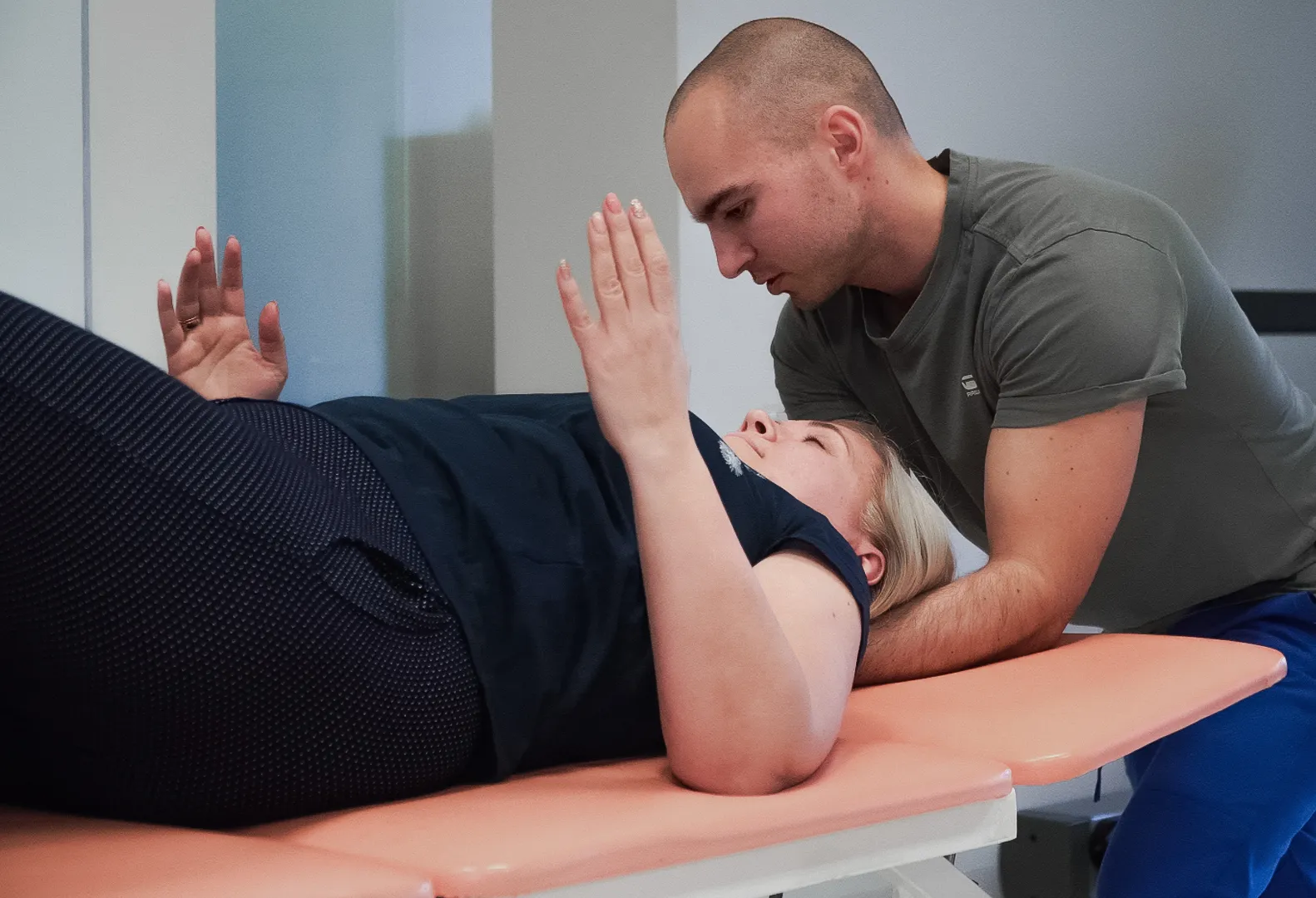 Back pain: doctor advisesBack pain is a very common problem that affects over 80% of people in their lifetime. It is very closely related to the occurrence of various biopsychosocial factors that lead to back pain problems...Read
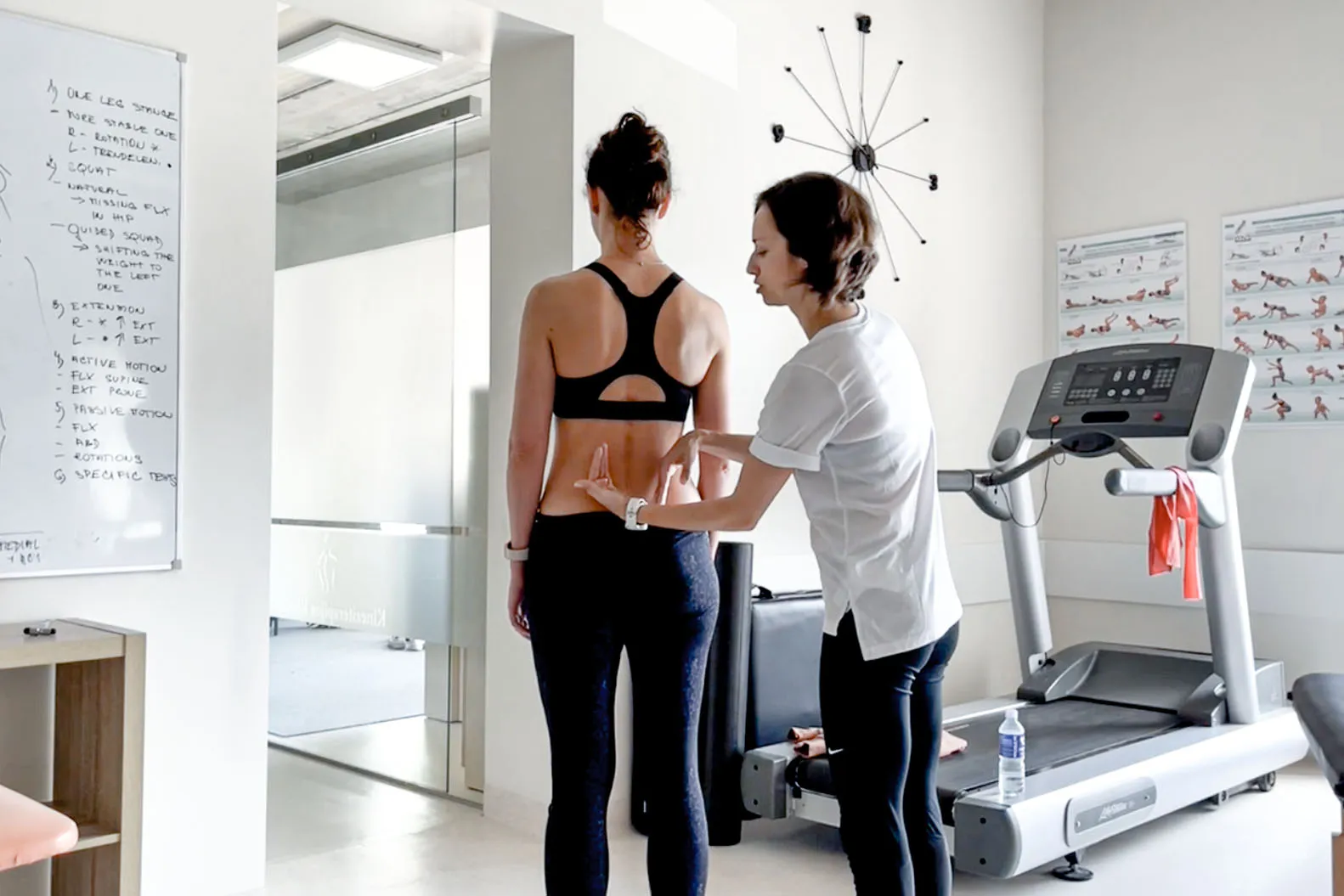 Back hurts - what to do?Back pain is the most common problem of the skeletal muscle system, which about 90% of people encounter at least once in their lifetime. Every tenth adult complains of back pain, but seeks help...Read
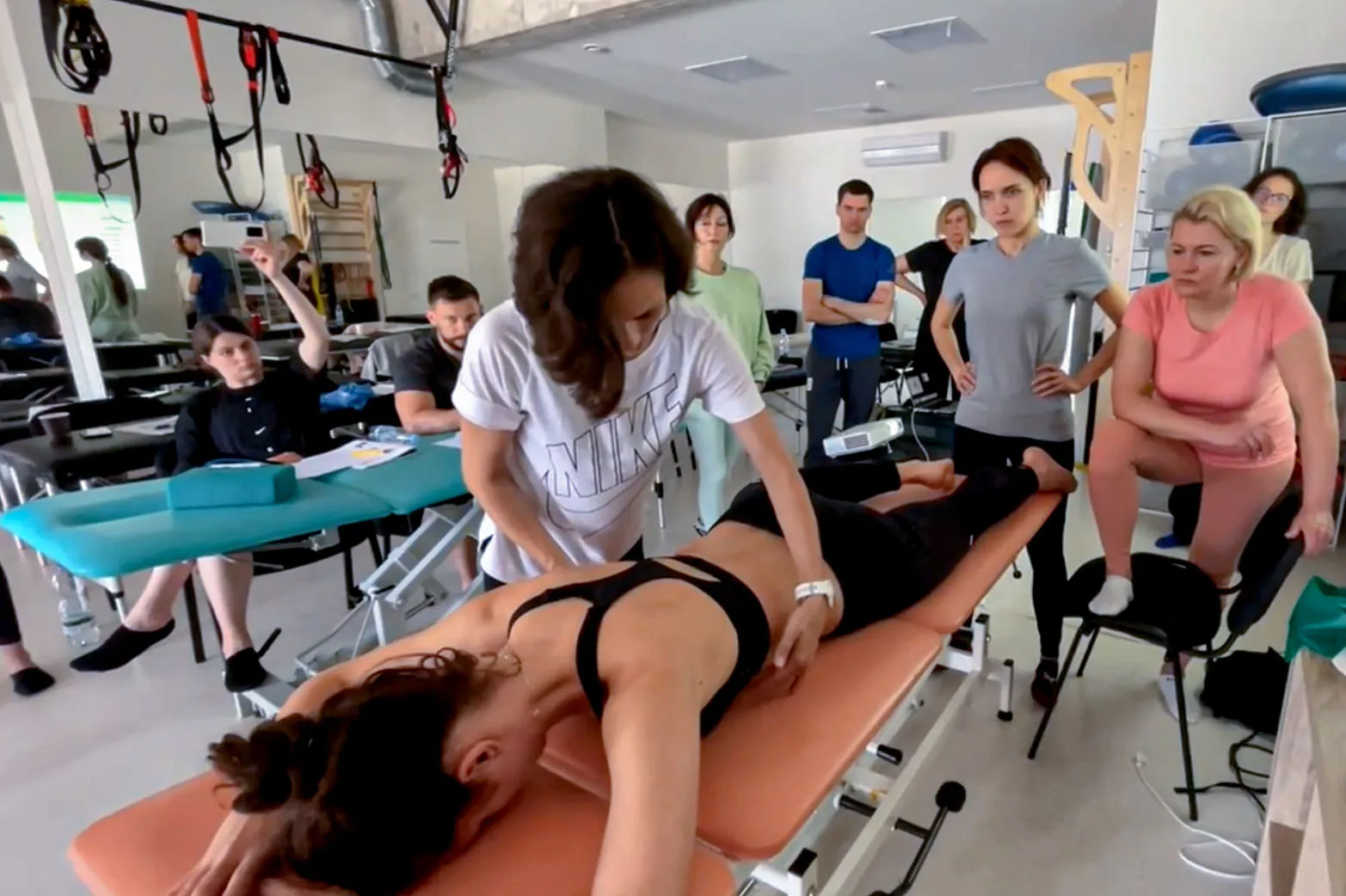 Pain in the lower backThe relevance of the problem of lower back pain is increasing every year due to the increasing sedentary lifestyle. Due to the contribution of the Covid-19 pandemic and non-ergonomic working conditions at home, back pain...Read