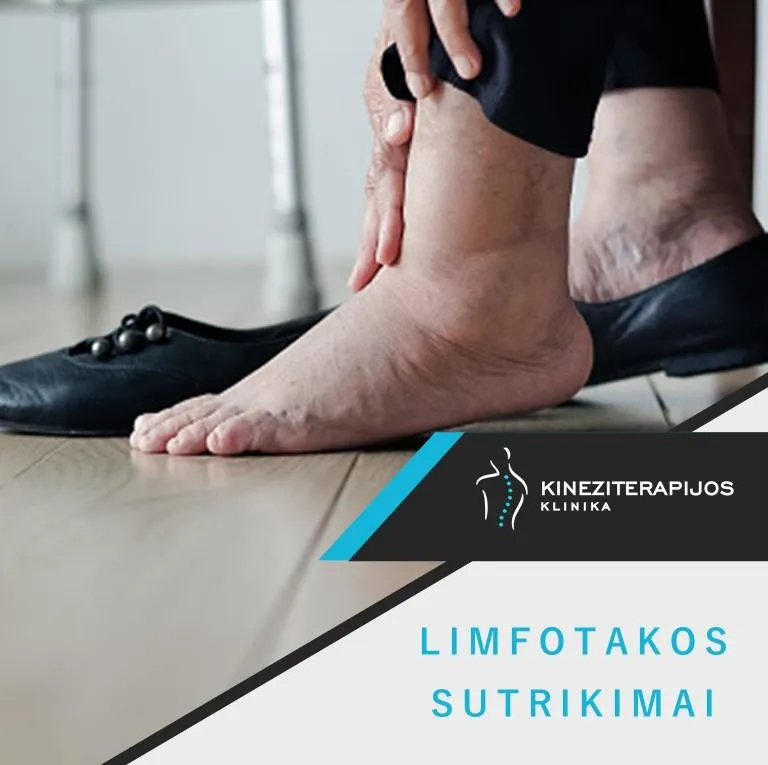
Disorders of the lymphatic system
These are the main symptoms of a possible malfunction of the lymphatic system.
- Topic
- Treatment methods
- Reading time
- 2 minutes
- Tinsta kojos ir rankos
- Restricted joint movement
- Heaviness and dull pain in the swollen area
- A feeling of heavy legs
- Changes in skin colour, blisters
These are the main symptoms of a possible malfunction of the lymphatic system.
The lymphatic system and its disorders: what are they?
Lymphatic disorders (lymphatic system dysfunction) mean that the lymphatic system is not working optimally. They are not life-threatening, but they can often cause considerable discomfort and lower quality of life. The lymphatic system consists of lymph nodes and lymphatic vessels through which lymph flows. Lymph is a body fluid circulating in the lymphatic system and tissues; its composition is close to blood plasma, from which it forms. Lymph carries toxins, immune cells, bacteria and by-products of blood circulation to the lymph nodes. The lymph nodes act as filters: they trap and remove bacteria and foreign bodies and return the filtered lymph to the bloodstream. There are especially many lymph nodes in the armpits and groin.
Causes of lymphatic disorders:
Lymphatic disorders can be congenital or acquired. They can develop after various operations, especially cancer surgery (for example for breast cancer). When lymph nodes are removed, lymph circulation is disrupted and lymphoedema develops. Some lymphatic disorders are caused by an unhealthy lifestyle. Lymphatic problems are also the cause of a specific type of fat accumulation, lipoedema. Lymphatic disorders are also often linked to vein conditions.
Consequences of lymphatic disorders:
Poor lymph flow promotes faster growth of fat tissue. Most women who complain of disproportionately large legs would benefit from comprehensive treatment of lymphatic disorders. Lymphatic disorders also contribute to inflammation under the skin, cellulite.
Treatment of lymphatic disorders:
To restore normal lymph circulation, the flow of lymph towards the heart needs to be stimulated. A procedure that stimulates lymph flow is called lymphatic drainage. However, drainage alone is not always effective. A systematic treatment approach is recommended: special massage, compression, special exercise, skin care and a diet plan. A full course of comprehensive treatment lasts several weeks and, if needed, is repeated every 3 months. We recommend a course of rehabilitation and physiotherapy measures to restore lymph circulation at least once a year.
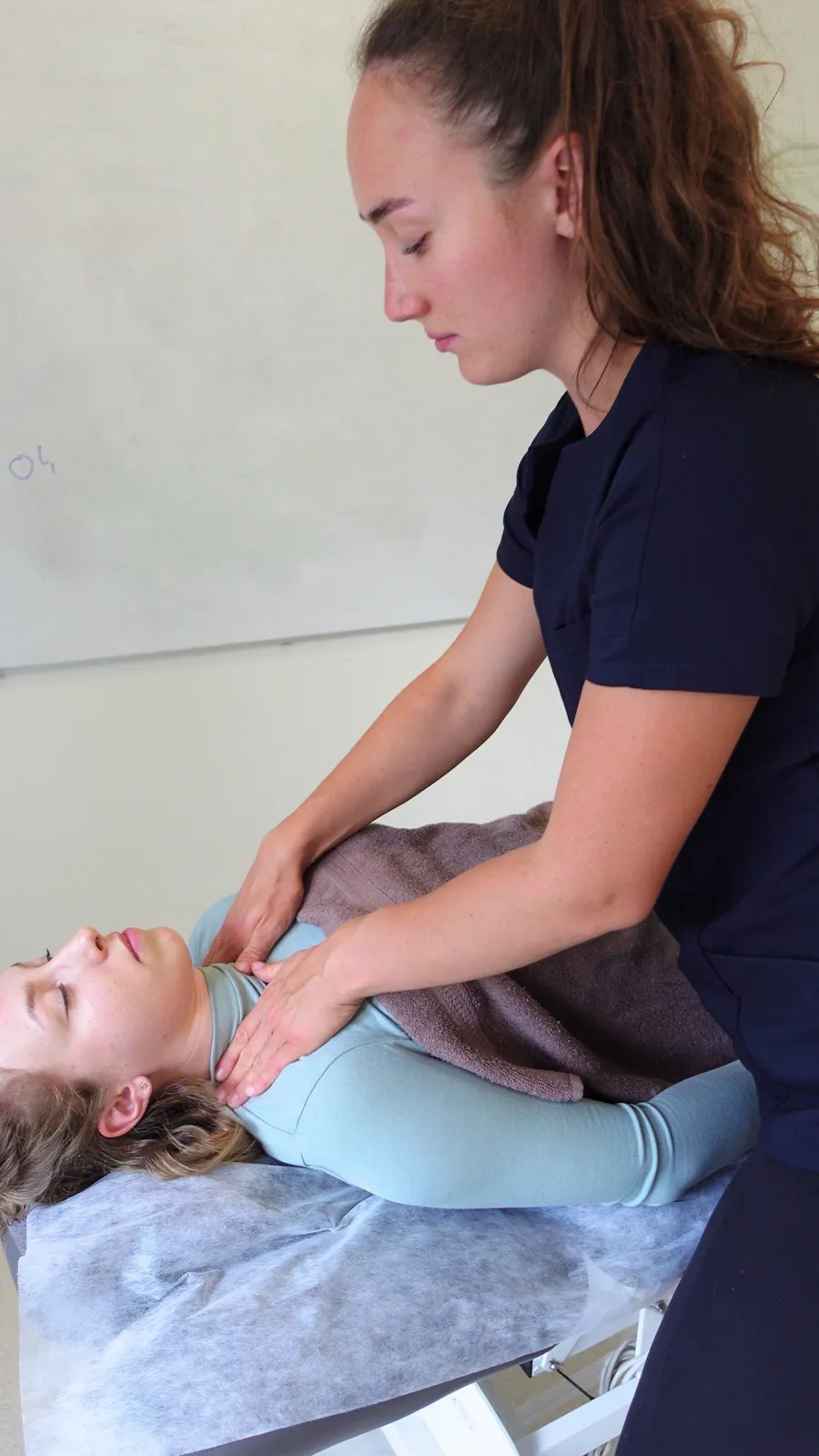 Lymphatic drainage massage in KaunasLymphatic drainage massage is a gentle, shallow massage using slow, rhythmic movements performed with the hands in the direction of lymph flow. It is a pain-free massage. During the massage, you will only feel a gentle stretching of the skin...Read
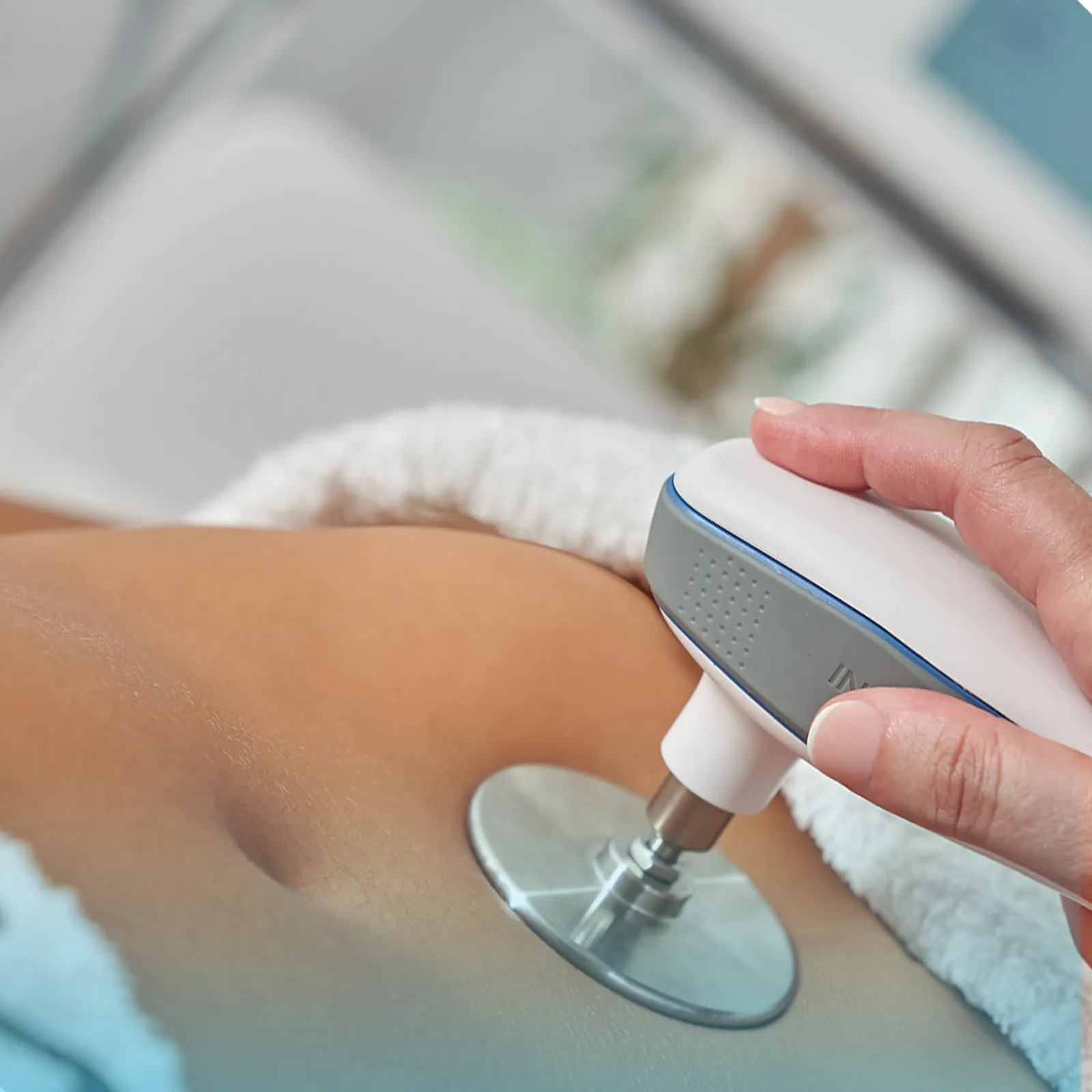 INDIBA therapyINDIBA THERAPY - a revolutionary treatment method for acute pain, joint, muscle, tendon, and bone damage. INDIBA technology uses a unique and patented 448 kHz radio frequency that stimulates...Read
 Exercises for the eyesMany people are probably familiar with the situation when, together with the appearance of symptoms, they start searching for information on the Internet about the origin of symptoms and possible diseases. Often, the information found is interpreted...Read